
Jatropha plantation expected to support farmers’ income and mitigate human-elephant clashes
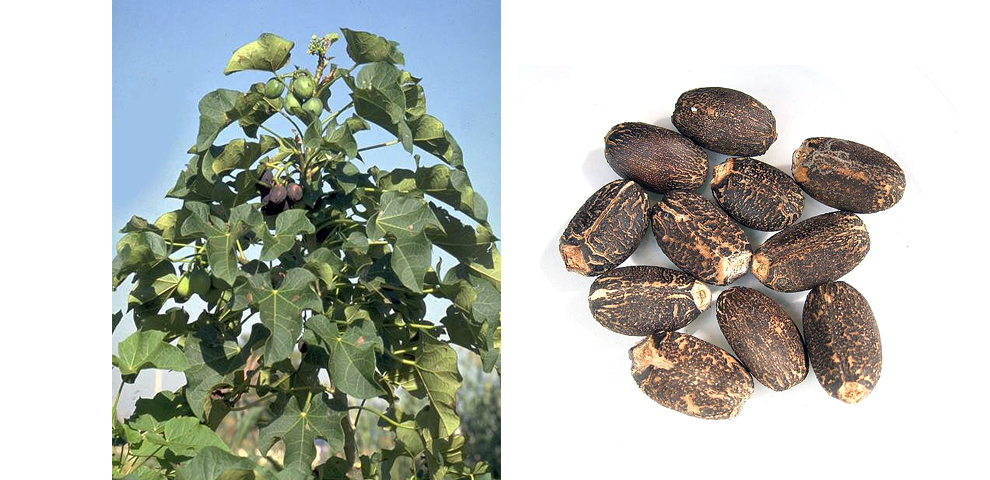
Bhandari subdivision under Wokha district may be on the verge of its most significant agricultural transformation yet, after the SDPDB resolved to promote large-scale cultivation of bio-fuel crop Jatropha curcas across an estimated 5000 hectares.
The resolution was adopted during a recent meeting of the Sub-Divisional Planning and Development Board (SDPDB) Bhandari, where members deliberated on the potential of transitioning from traditional roadside and weekly market systems toward more organised agricultural enterprise and large-scale business.
MLA and Chairman of SDPDB Bhandari, Achumbemo Kikon, stated that the implementation of a well-guided project could create sustainable livelihood opportunities for farmers while contributing to broader economic transformation in the region.
Providing technical insight into the proposal, Pemma Dorji, Managing Director of Terratroth Innovations, Sikkim, spoke on the application of the “Right Crop and Right Technology,” highlighting that Jatropha curcas is primarily cultivated for bio-fuel production, bio-oil extraction and industrial raw materials. He described the crop as an alternative cash option that could supplement existing farming systems and support evolving agri-business models.
According to the presentation, the plant is also viewed as environmentally beneficial, with claims that it contributes to maintaining climatic balance by retaining groundwater and preventing soil erosion. It was further stated that the crop could function as a natural barrier against crop-raiding livestock and may help reduce human-elephant conflict, as Jatropha curcas is considered toxic to elephants.
On implementation, Dorji said the company would engage in a strategic partnership model to assist communities through technical guidance and institutional support, with the objective of building a sustainable socio-economic foundation. He indicated that approximately 5000 hectares of land would be required during the project’s first phase of execution.
During deliberations, the house resolved to sensitize the village councils, landowners and farmers on the benefit of the project and to encourage the community to dedicate suitable land and sufficient labor towards cultivation of the crop.