

Research finds farmers continue to rely on ecological indicators, cultural practices and community cooperation
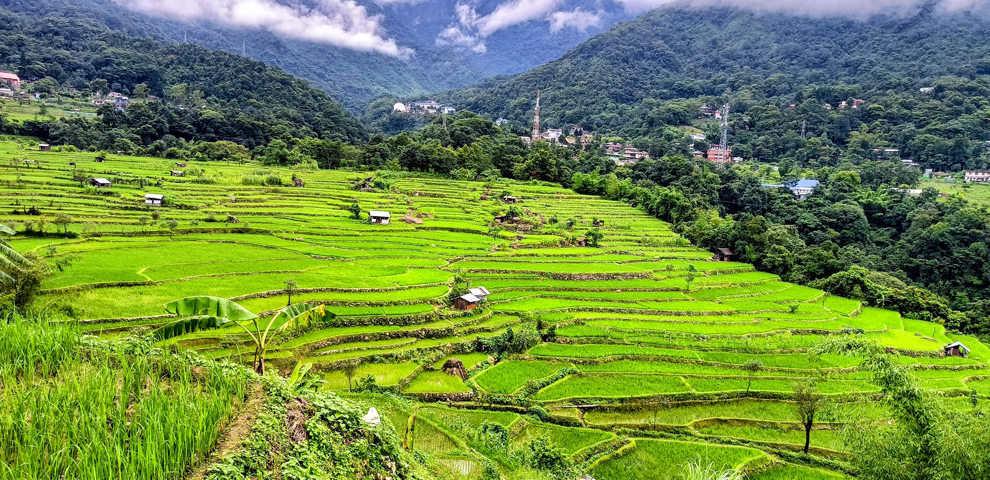
A study by researchers at Nagaland University has documented how indigenous knowledge systems continue to shape terrace farming practices among the Angami Naga community, highlighting the role of ecological observation, cultural traditions and community cooperation in sustaining agriculture.
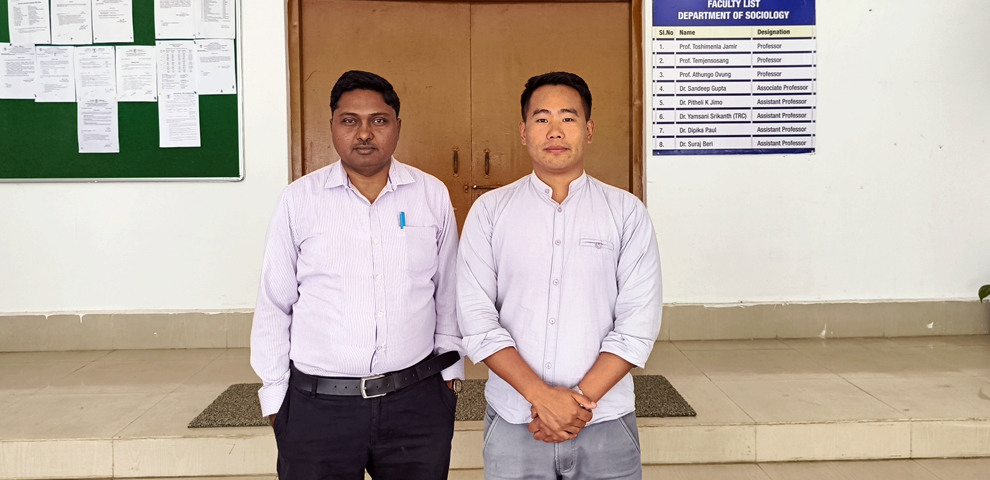
The findings, based on doctoral research by Ketekhoto Neihu under the supervision of Dr Srikanth Yamsani of the Tribal Research Centre, Department of Sociology, were recently published in a peer-reviewed journal published by SAGE.
According to the researchers, the study examined the social, cultural and ecological knowledge systems that underpin terrace cultivation among the Angami Nagas, moving beyond earlier studies that largely focused on technical aspects of farming.
The research found that farmers continue to use natural indicators such as flowering plants, bird behaviour and insect activity to guide decisions on planting, transplanting and harvesting.
“Our study found that the Angami Naga population continues to practice farming in close association with cycles and signs of nature. Farmers plant, transplant, and harvest using clues like plant bloom times, bird habits, and insects,” Dr Yamsani said.
The study also documented traditional practices related to soil conservation, water management and organic farming. Researchers noted that terrace farms are constructed using methods that help reduce soil erosion and improve water utilisation, while the continued use of organic inputs reflects efforts to maintain environmental sustainability.
Dr Yamsani said the research also identified emerging challenges, including changing rainfall patterns and climate variability.
“While these forms of agricultural practice are still strong, it is important to point out the new challenges being faced by farmers such as changing patterns of rainfall and climate variability. It is also important to note that the adaptive capacity of indigenous knowledge systems is very important,” he said.
Nagaland University Vice-Chancellor Prof Jagadish Kumar Patnaik said the findings demonstrate how traditional knowledge continues to contribute to agricultural productivity, ecological balance and community resilience in the hill landscapes of Nagaland.
He said the study showed that the sustainability of Angami terrace cultivation is linked to the integration of ecological practices, social cooperation and cultural traditions, and highlighted the importance of documenting and preserving indigenous knowledge systems.
The researchers said the findings could contribute to discussions on sustainable agriculture and the role of traditional knowledge in addressing contemporary environmental and agricultural challenges.