
Scientific farming practices under NABARD-backed project improve yield, reduce pest attacks
Tomato farmers in Longkhum village are reporting higher yields, better fruit quality and reduced pest attacks this season despite erratic rainfall, following the implementation of a NABARD-supported project aimed at improving tomato cultivation.
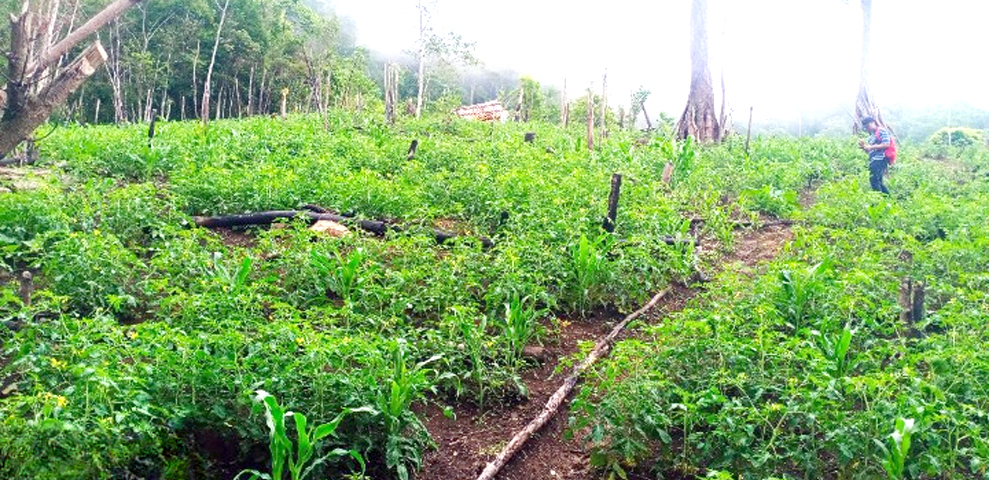
The project, sanctioned under the Farm Sector Promotion Fund (FSPF) 2026 and implemented by Krishi Vigyan Kendra (KVK), Mokokchung, covered 25 farming households across nearly 10 hectares of land.
Longkhum, a major tomato-producing village in Mokokchung district, harvests the crop annually from May through July and August. However, productivity has traditionally remained below the national average.
According to KVK Mokokchung, the project introduced Integrated Nutrient Management and biological methods to control insect pests and diseases. Beneficiary farmers also underwent capacity-building programmes on improved cultivation techniques and received nutrients for soil and foliar application, along with biological inputs to protect crops.
Although erratic rainfall delayed transplanting during the initial phase, the project gathered momentum in the second fortnight of April. Farmers have since begun harvesting and have reported encouraging results.
Beneficiary farmers said the intervention helped improve yields even in second-year jhum fields, where tomato production typically declines. They also reported larger fruit size and lower incidence of blight and pest attacks.
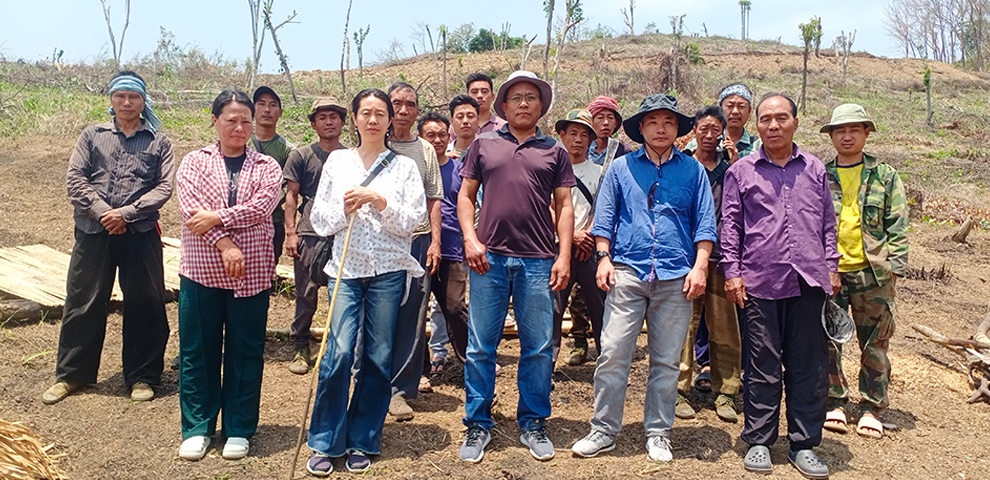
Merenchiba and Imkongsungla said they were initially sceptical about the intervention but harvested more tomatoes than expected, including from second-year jhum fields.
SI Aren, recognised as a pioneer of tomato cultivation in the area and recipient of the IARI Innovative Farmers Award 2026, said the season saw fewer blight and pest attacks and better harvests despite the delayed cropping season.
He expressed confidence that the Integrated Nutrient Management technology would be adopted by more farmers because of its positive impact on both the quality and quantity of tomato production.
Another beneficiary, Arkokba, said the increase in yield was evident despite adverse weather conditions, while Aolemba, who has cultivated tomatoes for more than a decade, said the improved farming practices resulted in better-sized fruits and increased production irrespective of the land or tomato variety.
Besides improving production, the project also addressed post-harvest losses through value addition. Farmers received hands-on training in preparing tomato ketchup and sauce during a processing program conducted in collaboration with ATMA Mokokchung.
Rongsenmayang, president of the Longkhum Integrated Multipurpose Cooperative Society, appreciated the support extended by NABARD and KVK Mokokchung and hoped similar interventions would continue to benefit farmers in the future.
The project, titled “Enhancing the Productivity of Tomato via Integrated Nutrient Management in Longkhum,” is scheduled to conclude in August. According to KVK Mokokchung, it is expected to further improve tomato production while promoting value addition and better post-harvest management among farmers.