
The NSCN/GPRN Eastern Flank has announced the formation of a “Provisional Government” following what it described as an Extraordinary Joint Emergency Meeting of its Civil National Workers and Naga Army Officers held at Mt. Horeb Camp on July 21.
According to a statement issued by Additional Secretary Edward Sayai, the meeting was chaired by Lieut. Gen. (Retd.) Hs. Ramsan, Vice Chairman, and deliberated on what it termed threats to the “sovereign existence” of the Naga nation.
Among the resolutions adopted, the meeting declared as “null and void” the expulsion orders issued in June and July this year against several senior members, including Lieut. Gen. (Retd.) Hs. Ramsan, Lieut. Gen. A. Raman, Lieut. Col. (Retd.) Victor Angami, M Ikato I Chishi Swu, Rev. Vitovi Yeputho, Pamshang Zimik and Angyo Jingseya. The group alleged that the expulsions were intended to silence senior members who opposed what it described as a compromise on the Naga political issue.
The Eastern Flank also rejected the “Competencies” submitted to the Government of India by the NSCN/GPRN leadership, alleging that the document compromised the group’s stand on Naga sovereignty and violated the party’s manifesto and Yehzabo.
Referring to the ongoing peace process, the group further claimed that the spirit of the ceasefire agreement had ceased to exist following what it described as the Government of India’s betrayal of the Framework Agreement signed on August 3, 2015.
It stated that it would continue both political and armed resistance in pursuit of its objectives.
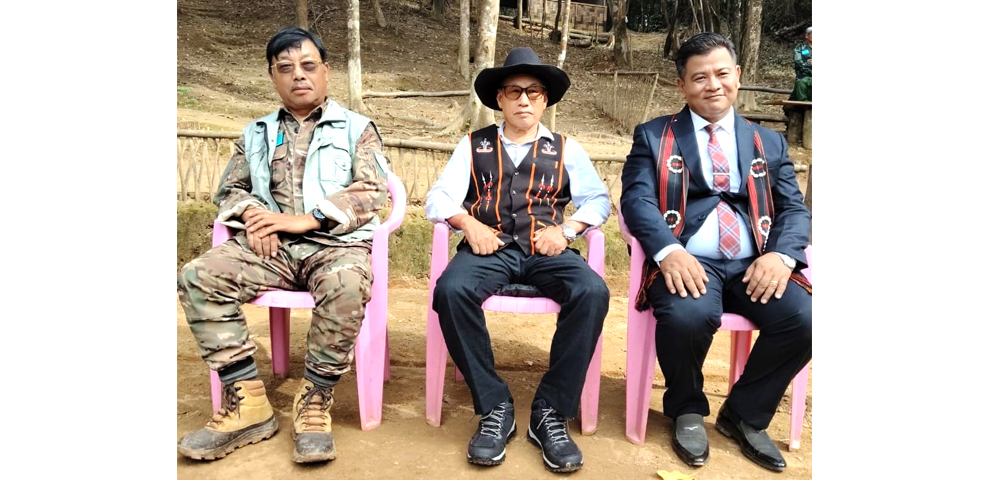
The meeting also resolved to establish a “Provisional Government” until what it described as a full-fledged government is formed. M Ikato I Chishi Swu was named Chairman of the provisional body, while Lieut. Gen. (Retd.) Hs Ramsan, Lieut Col (Retd) Victor Angami, Lieut Gen A Raman, Brig Detail Dani and M Angyo Jacob Jingseya were named members. Ngaranlni Jagoi, Merry Ramsan and Rev Vitovi Yeputho were appointed as advisors.
The statement concluded with an appeal to Naga national workers and the public to support the formation of what it described as a unified national government based on the principles of the organisation’s founding leaders.