
A study by Nagaland University has highlighted the need for location-specific agricultural extension strategies to increase the adoption of sustainable farming practices among pineapple growers in Nagaland.
The study assessed sustainable practices across four areas: agronomic practices, resource management, pest and disease management, and post-harvest management. It also examined variations in adoption across districts and factors influencing farmers’ decisions.
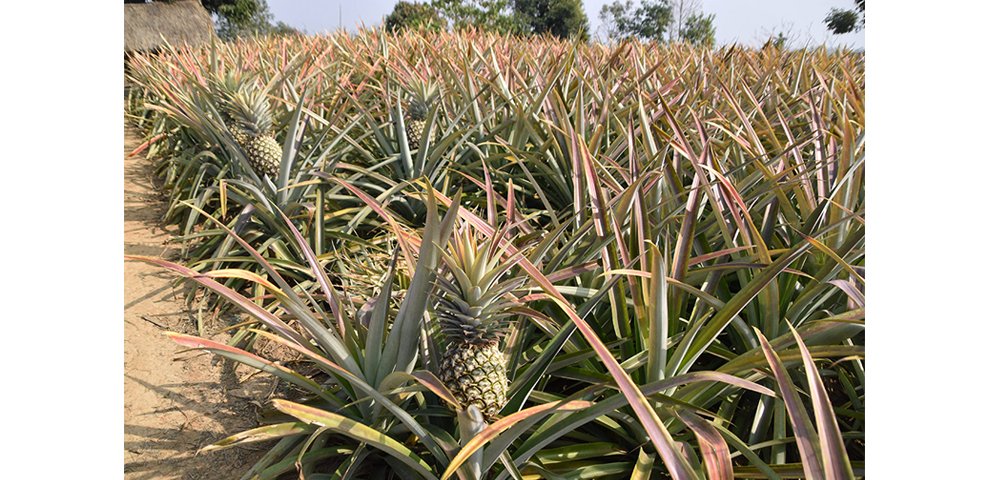
Pineapple is cultivated across all districts of Nagaland and is known for its distinctive flavour, sweetness, low fibre content and high total soluble solids, ranging from 16.5 to 18%. However, growers continue to face challenges related to production, marketing, post-harvest management and resource sustainability.
Prof Jagadish K. Patnaik, Vice Chancellor, Nagaland University, said the findings highlight the importance of “location-specific strategies, stronger agricultural extension services, efficient resource conservation and greater support to farmers.”
Prof Kaushal Kumar Jha, Department of Agricultural Extension Education, said the study found that adoption levels and challenges vary according to local conditions, calling for tailored extension strategies rather than a uniform approach.
Dr Shagolsem Herojit Singh, Assistant Professor, Department of Agricultural Economics, said factor analysis identified three broad dimensions influencing adoption: land-use and income-related factors, motivational factors, and access to extension services. He said farmers’ economic circumstances, motivation, awareness and institutional guidance should be considered while designing sustainability programmes.
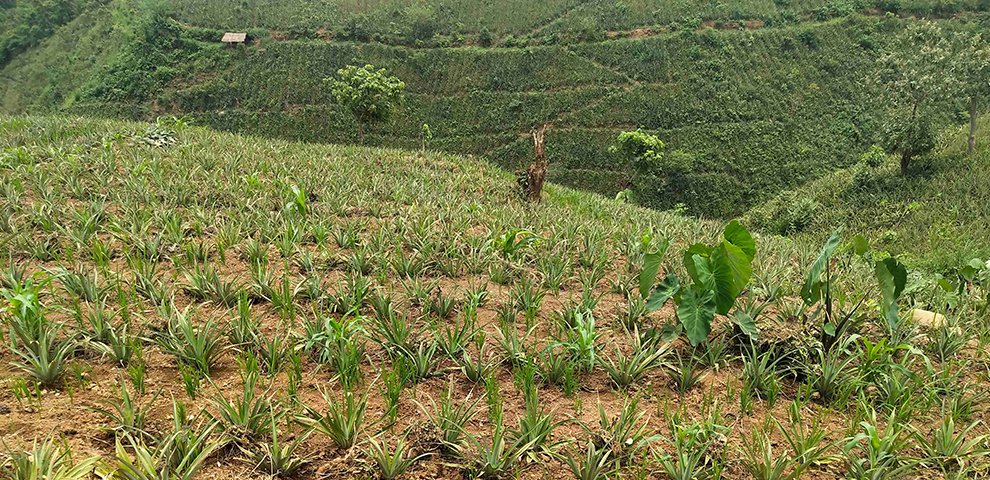
The researchers noted that intercropping, mixed cropping, organic nutrient management, soil and water conservation, appropriate input management and crop-residue management can improve soil health and resource-use efficiency.
PhD Scholar Sentibenla Pongener said greater awareness and capacity-building were needed to address climate change, soil degradation, nutrient depletion and other pressures on natural resources.
The paper was published in the peer-reviewed Indian Journal of Extension Education. It was co-authored by Pongener, Jha and Singh from Nagaland University’s School of Agricultural Sciences. The study recommends need-based training, field demonstrations, farmer-to-farmer extension, technical guidance and regular follow-up tailored to district conditions.