

Nagaland University study finds social expectations strongly influence how people handle plastic waste
Community expectations and social norms strongly influence how people handle plastic waste, a Nagaland University study conducted across Kohima, Dimapur and Chümoukedima has found, suggesting that waste-management efforts need to work through trusted local institutions and community networks rather than relying on awareness campaigns alone.
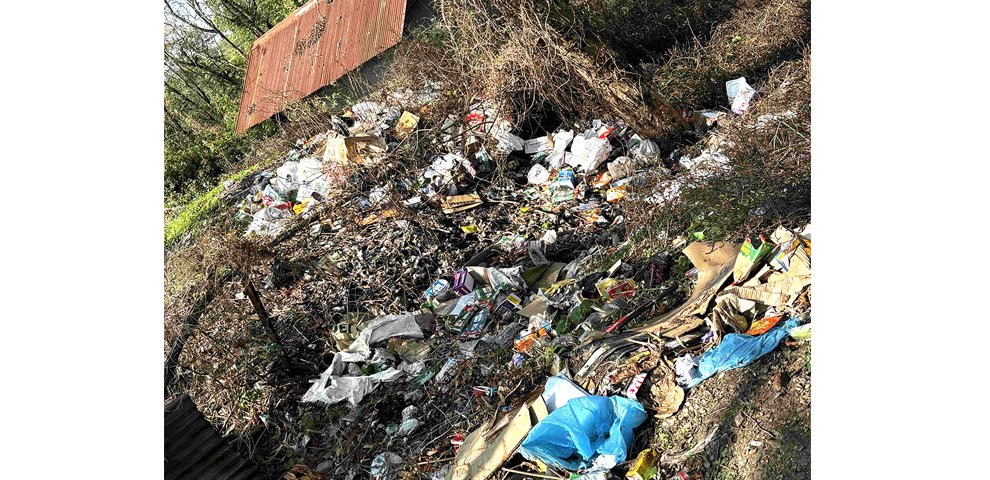
The study surveyed 226 residents across the three districts, supplemented by open-ended responses from 131 respondents and in-depth interviews with 10 others. Data were collected between June and December 2025.
The researchers found that subjective norms, referring to the expectations and behaviour of people around an individual, were the strongest correlate of self-reported plastic-handling practices. Personal attitudes towards plastic waste were also associated with behaviour, while cultural values were identified as a correlate, although the researchers cautioned that the measure had low reliability.
Prof. Prabhakar Sharma, Head of the Department of Agricultural Engineering and Technology, said residents identified lack of awareness, inadequate infrastructure and weak enforcement as major barriers. Despite an average score of 4.77 out of 5 for recognising plastic as harmful, scores for access to disposal facilities and confidence in waste segregation were only about 2.7 to 3.2.
Prof. Jagadish Kumar Patnaik, Vice-Chancellor of Nagaland University, said the study highlighted the importance of community norms, cultural values and collective responsibility in addressing plastic waste.
The study, published in Environmental and Sustainability Indicators, found that perceived control over waste disposal did not independently predict self-reported behaviour once community norms were considered. The researchers stressed, however, that this did not make infrastructure less important, noting that residents continued to identify inadequate waste-management facilities as a significant practical barrier.
Participants also pointed to traditional beliefs and community practices that encourage cleanliness and responsible living. The researchers said these existing values could provide a foundation for addressing contemporary plastic pollution, although they were not developed specifically for the scale of today’s plastic-waste problem.
Prof. Gyanendra Nath Tiwari, Head of the Department of Teacher Education, said commonly suggested solutions included greater awareness, improved waste-management infrastructure, stricter enforcement, reduce-reuse-recycle practices, community clean-up drives and incentives.
The researchers said village councils, religious organisations and youth groups could help translate existing community values into environmental practices when combined with adequate collection and segregation systems and effective enforcement.
The study cautioned that its findings were based on self-reported behaviour and did not establish cause-and-effect relationships. The relatively young and male sample also limits its representation of Nagaland’s wider population.
The researchers called for longitudinal studies, validation of reported behaviour against actual practices and infrastructure, and further research into whether infrastructure influences behaviour indirectly through community norms.