
A generation is often described as the span of a single lifetime, but history shows that it can also be the span in which nations rise, societies renew themselves, and entire futures are rewritten. The examples of the Spanish conquistadors and modern Singapore illustrate how quickly the world can change when a generation is driven by urgency, clarity of purpose and a willingness to act where others hesitated. Nagaland today stands at a similar crossroads. If previous generations struggled to deliver stability, opportunity and long-term vision, the question before the young is simple: what will they do differently.
To begin with, a new generation must reclaim a sense of responsibility. Nagaland cannot continue depending on outsiders to solve its problems. A generation ago, Singapore faced poverty, ethnic tensions and joblessness. It turned the tide by investing heavily in education, discipline in financial management and a leadership culture that prized long-term planning. These are choices young Nagas must demand and embody. Leadership should no longer be measured by speech and symbolism but by competence, transparency and results.
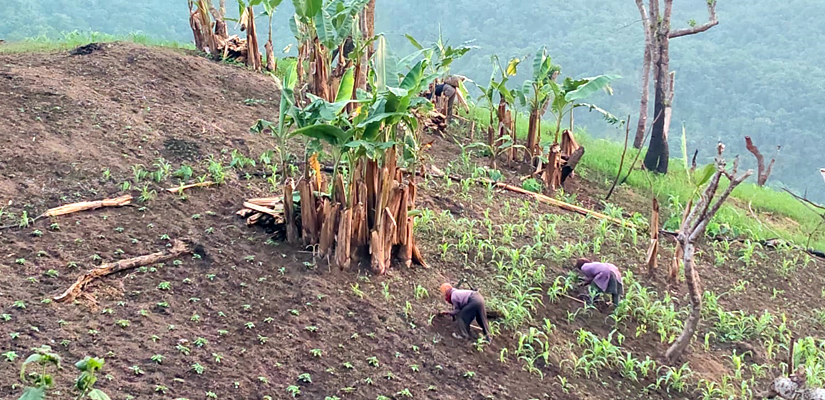
Second, the young must break free from a culture of fatalism. For too long, Nagaland has been defined by conflict and dependency. A new generation must believe that growth is possible through work, innovation and community-driven development. Agriculture, tourism, sports, music, small industries and technology already show potential. What is missing is coordinated effort and the courage to scale ideas instead of allowing them to remain isolated success stories.
Third, the new generation must insist on accountability. When the old ways fail, they must not be repeated out of habit or fear. Clean governance is not a slogan but the foundation for development. Young Nagas need to participate actively in civic life, challenge corruption and support leaders who prioritize service over personal networks. Societies transform when citizens refuse to reward mediocrity.
Fourth, Nagaland must nurture talent at home. One generation can change a state by producing teachers who inspire, entrepreneurs who take risks, farmers who innovate, and professionals who return with skills instead of seeking only opportunities elsewhere. The diaspora can play a role, but the engine of transformation must be inside Nagaland, among those willing to invest their best years in their own land.
Finally, unity must be the cornerstone. No society moves forward while divided. If the previous generation allowed divisions to deepen, the next must choose cooperation. Development requires peace, consistency and shared purpose.
History shows that one generation can build empires or modern city-states. Nagaland does not need to replicate Spain or Singapore. It simply needs a generation that refuses to repeat the old mistakes and is bold enough to imagine something better. The future is not inherited. It is built.