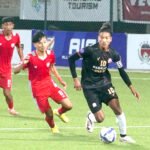

The brief disruption during the Zunheboto–Mon fixture at the Dr T Ao Trophy offers an occasion to reflect on the broader direction of football in Nagaland. As the tournament celebrates its silver jubilee, the focus should extend beyond the matches to the structures and vision needed to sustain the game.
Sports development is not defined by VIP-studded opening ceremonies, infrastructure alone or the successful conduct of tournaments. These have their place, but lasting progress depends equally on sound administration, effective organisation, consistent implementation of rules, and policies guided by long-term goals. Without these foundations, even well-attended events and impressive facilities may struggle to produce sustained results.
The adoption of the All India Football Federation’s Centralised Registration System and Competition Management System is part of the move towards more structured football administration. The difficulties encountered during implementation should be treated as part of a learning process, with the experience helping the Nagaland Football Association and district bodies prepare better for future competitions. The objective should be to strengthen the game, not allow a single incident to define the tournament.
A long-term vision for football must also connect infrastructure and competitions with grassroots development, coaching, talent identification and opportunities for players to progress beyond the state. This requires planning, coordination and continuity, rather than efforts confined to individual events.
There is no denying that much remains to be done in sports administration and development in Nagaland. The challenge is to recognise the gaps without losing sight of the progress and potential already present.
The Dr T Ao Trophy is more than a contest for silverware. Its enduring value will lie in how each edition contributes to building a stronger, better organised and sustainable football culture. The goal must remain the advancement of Nagaland football.