

What does it mean to experience a place through its food- not as a visitor, but as a member of the community? That question found expression in Seeti 2.0, a five-day intimate, invite-only gathering that brought together a carefully curated group of people across food, culture and creative fields in Meghalaya. Designed as a 5-day experience, it moves beyond a typical event format to create space for deeper engagement with a place, its people, and each other.
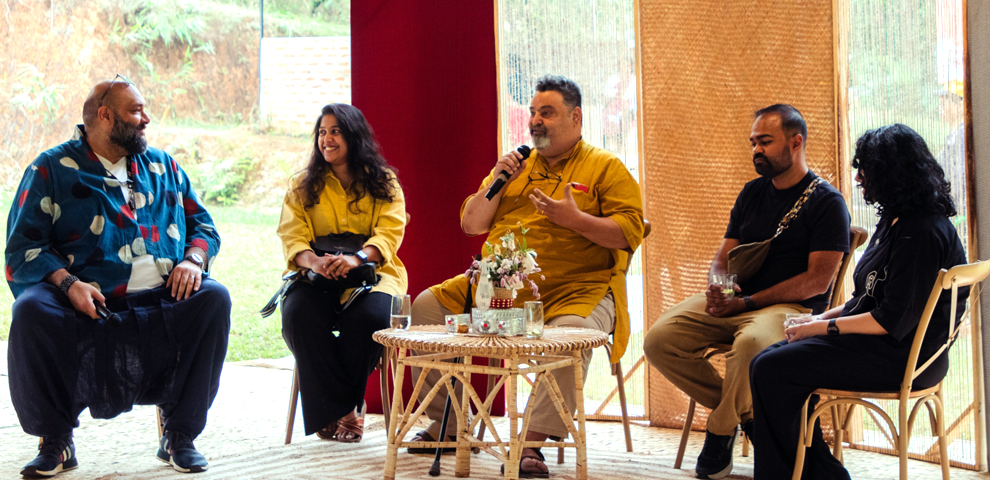
This edition of Seeti took place in Meghalaya from the 26th to 31st of March, in and around Shillong, using the region as a lens to explore its food systems, craft practices, landscapes and everyday culture. The programme unfolded through a series of curated experiences from shared meals and local immersions to interactions with artisans, markets and communities, allowing guests to engage with the region in a more contextual and meaningful way.
The audience typically includes chefs, restaurateurs, cultural practitioners, media voices, creators and tastemakers, creating a diverse yet aligned ecosystem of people who value thoughtful, experience-led engagement. Seeti 2.0 Meghalaya edition was shaped over a year to identify meaningful locations, engaging with local cultures, and bringing together voices that help carry these narratives beyond Meghalaya, to the World.
“In many food-led events, the experience begins and ends at the table. What we wanted to do was step outside that space and understand everything that shapes the food, people, culture, environment and memory. The Seeti format is designed to move away from a tourism-first approach, focusing instead on meaningful engagement with local communities and ecosystems. Together, these experiences offered a deeper understanding of the region’s way of life.” said Sid Mewara, co-founder of the Seeti Movement.
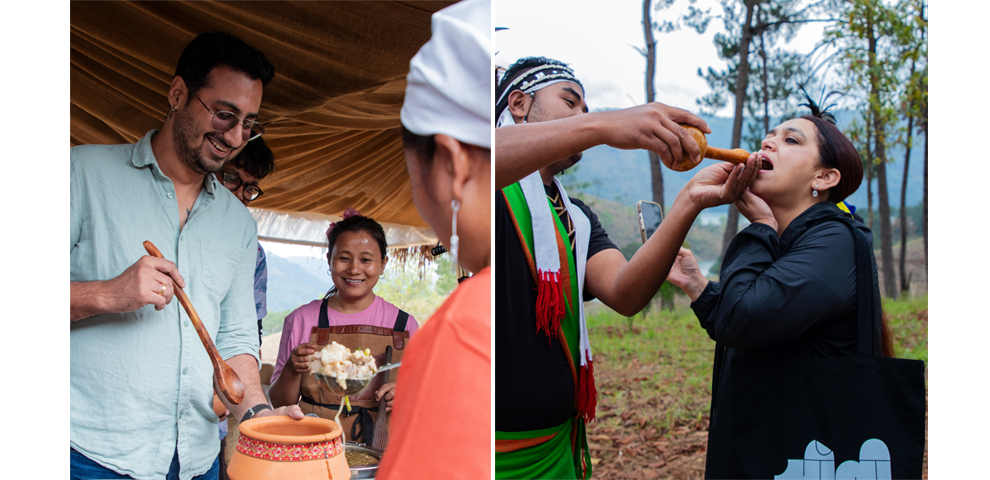
Seeti 2.0 was not about conventional food events, it aimed at creating an experience for the participants to step into everyday settings, understanding indigenous ingredients, sharing meals with local communities, and engaging with traditions across Khasi, Jaintia and Garo cultures. The meals were curated by a mix of regional and visiting chefs such as Benny Wankhar, Adonijah Lyngdoh, Ahmedaki Laloo, Nambie Marak, Vishesh Jawarani and Reuben Zamal Sooting.
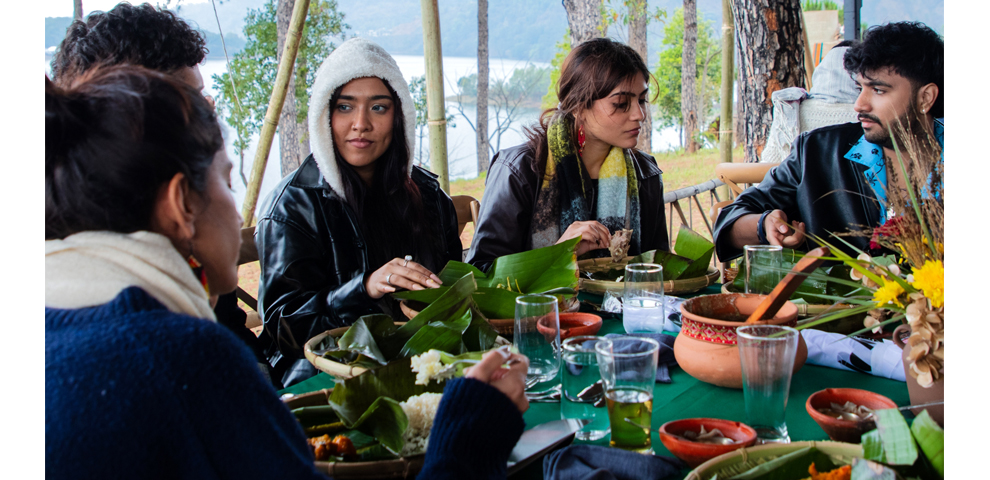
“Seeti’s impact is designed to scale through digital storytelling and traditional media channels. During Seeti, we have been able to successfully mobilize a collective powerhouse of 50 voices with a combined total footprint in tens of millions,” Mewara stated. “Their real-time storytelling is just the beginning; as they return home, they transition from visitors to lifelong advocates. This narrative will be further immortalized in a long-format Documentary, ensuring the Seeti engagements continue to grow exponentially across global audiences.”
The depth of the experience has now opened up conversations around taking the format to other parts of the Northeast, with Nagaland emerging as a natural next destination given its strong culinary identity and community-driven culture. According to Sid Mewara “Nagaland offers a rich cultural and culinary depth that aligns very closely with what Seeti is trying to do. Each of the tribe has its own traditions, ingredients and ways of cooking, which makes the food deeply rooted in community and identity. What makes it especially compelling is that these culinary practices are still closely tied to everyday life. The idea is not to replicate, but to build something that reflects these local contexts and can be projected Globally to boost Tourism to the State. A lot of this became clear to us while travelling across the Northeast during our work on Enchanting Eight, and Nagaland stood out for the strength and diversity of its food culture”.
As travellers worldwide increasingly seek out-of-the-ordinary experiences, Nagaland and its neighbouring Northeast states are perfectly positioned to tap into this growing market.
(Published as received)