

SoIB data flags continued decline, while conservationists point to toxic NSAIDs, poisoning and power infrastructure as persistent threats
India’s vulture populations have shown no clear sign of recovery despite years of restrictions on veterinary drugs linked to the species’ catastrophic decline, according to the latest data from the State of India’s Birds (SoIB) partnership.
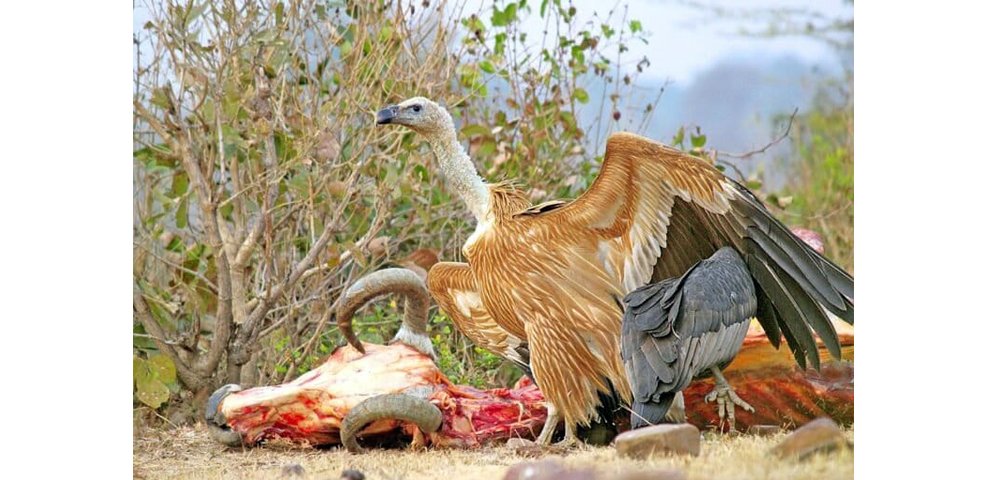
[ Image by Arindam Aditya via Wikimedia Commons]
The latest SoIB assessment shows the Indian Vulture continuing to face a rapid decline nationally, with its long-term population trend estimated at -93.91% and its current annual trend at -6.76%.
India banned the veterinary use of diclofenac in 2006 after the drug was identified as a major cause of the sharp decline in vulture populations during the 1990s and 2000s. Restrictions have subsequently been imposed on other veterinary NSAIDs, including aceclofenac, ketoprofen and, more recently, nimesulide.
However, conservationists say the bans have not yet translated into a clear recovery in vulture numbers. Human formulations of some drugs can also be misused for veterinary purposes, while questions remain over the safety of other NSAIDs.
Chris Bowden, Advisor to the Saving Asia’s Vultures from Extinction (SAVE) consortium, said the continuing downward trends in India-wide eBird data were a “huge source of concern”, adding that earlier nationwide road-transect surveys also indicated no population recovery in recent years.
He said the situation suggested that threats from toxic NSAIDs had not yet been adequately addressed and called for wider monitoring across different regions.
Vultures also face threats beyond veterinary drugs. Electrocution and collisions with power infrastructure, secondary poisoning from poisoned carcasses and competition or disturbance at carcass sites are among the concerns identified by conservationists.
An incident in April this year at Dudhwa Tiger Reserve highlighted the poisoning threat, after more than 25 Himalayan Vultures reportedly died after feeding on carcasses of dogs that had been poisoned.
Bowden pointed to neighbouring Nepal, where vulture population trends have been positive, as a potentially significant comparison, saying toxic NSAIDs had been more effectively removed there.
The SoIB data also highlights the importance of continued monitoring, particularly because vultures are slow-breeding and long-lived birds. According to Dr Sachin Ranade, Deputy Director of the Bombay Natural History Society (BNHS), visible population changes may take several years to emerge.
“Meanwhile our vulture colony monitoring in wilderness and vulture reintroduction efforts are giving new hopes for conservation,” Ranade said.
Dr Dipankar Ghose, Senior Director of Biodiversity Conservation at WWF-India, said understanding population status was critical to conservation efforts. He said monitoring of nests and colonies, satellite-tagging and measures to reduce electrocution risks were among the ongoing interventions.
The SoIB assessment combines broader trends derived from citizen-science datasets such as eBird with more focused monitoring efforts to track the status of India’s birds.
For vultures, however, the latest picture remains one of concern: despite major policy action following the diclofenac crisis, the country has yet to see clear evidence of a nationwide recovery.