
Nagaland’s Chief Secretary Sentiyanger Imchen has warned that the state government does not have the capacity to create additional job vacancies, urging youth to focus on self-reliance and skill development amid rising unemployment.
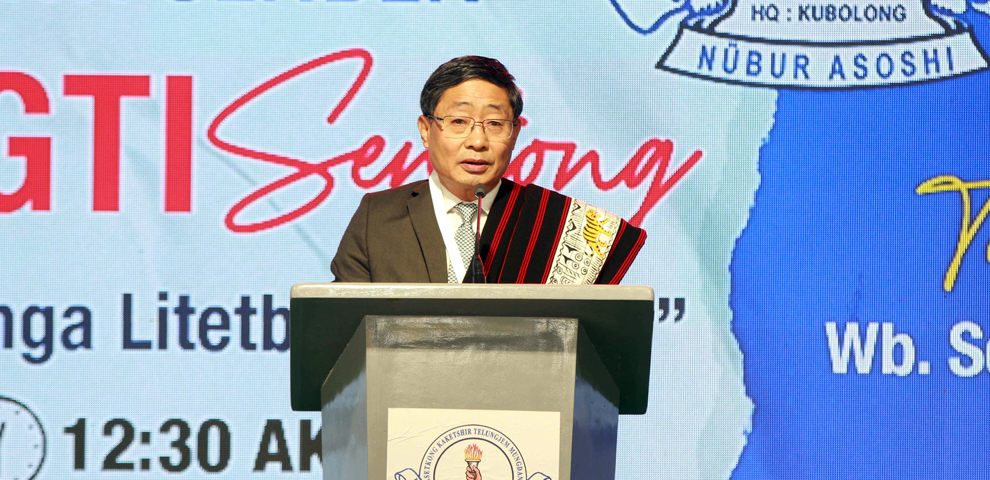
Speaking at the 44th Asetkong Kaketshir Telongjem Mungdang (AKTM) General Conference in Kobulong, Imchen cited the State Survey Report on Employment, Unemployment, Skill and Migration 2025, which reveals that over 71,000 people are registered as job seekers in Nagaland. The survey also shows that nearly 92% of youth lack formal technical or vocational training.
“Cracking competitive exams is commendable,” he said, “but a general degree alone will not guarantee employment. Students must pursue technical skills alongside education and plan alternative pathways if government jobs do not come through.”
The Chief Secretary noted that private sector jobs often offer higher salaries than government positions, stressing that reliance on public employment alone is no longer viable. Drawing from a Naga perspective, he said almost every household has access to land—fertile or resource-rich—but communities remain heavily dependent on central government support.
He challenged students to reflect: “Whether the fault lies with the land or with the people?” Imchen urged them to revive the self-reliant work ethic of their forefathers. “Achieving self-reliance is key to reducing dependence on central funds and excessive import of goods,” he said.
Youth unemployment, he added, is the state’s biggest problem. “Meaningful solutions must begin with the individual, family, church, village, and tribe. No one will change it for you,” he emphasized.
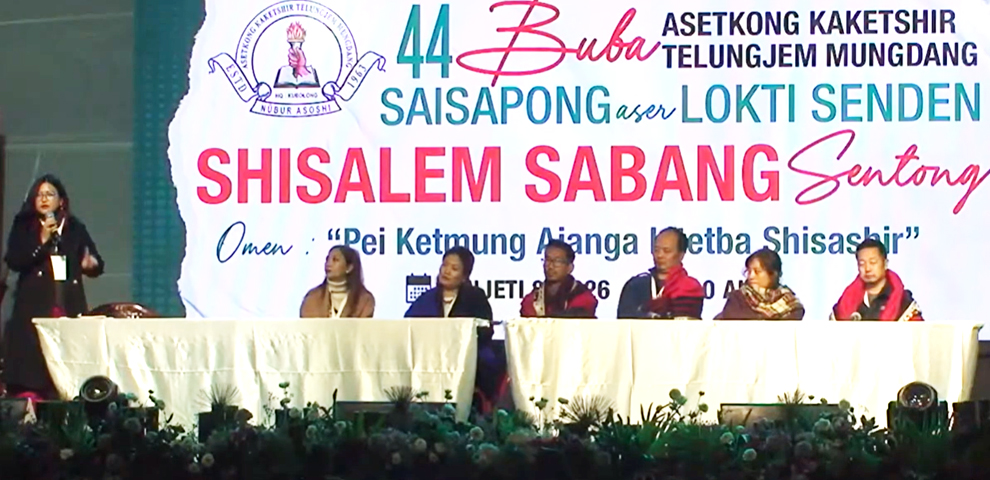
Meanwhile, the conference featured a theme address by Amba Jamir, Policy and Development Strategist, along with short speeches by T Imlitoshi Walling, Asetkong Mungdang president, and Omajen Ozukum, EAC. The event brought together students from across the region to discuss skill development, self-reliance, and community-led initiatives.
Imchen concluded by reminding the youth that government support is limited. “The key lies with the individual and the community. Be proactive, be prepared, and take charge of your future,” he said.