
Restrictions imposed as authorities and community organisations appeal for peace
Escalating tensions between the Yimkhiung and Tikhir communities have resulted in loss of life, injuries, damage to homes and displacement of residents in Kiphire district, while houses were also burnt in Shamator district on October 11. Restrictions have been imposed in both districts, with community organisations appealing for peace and restraint.
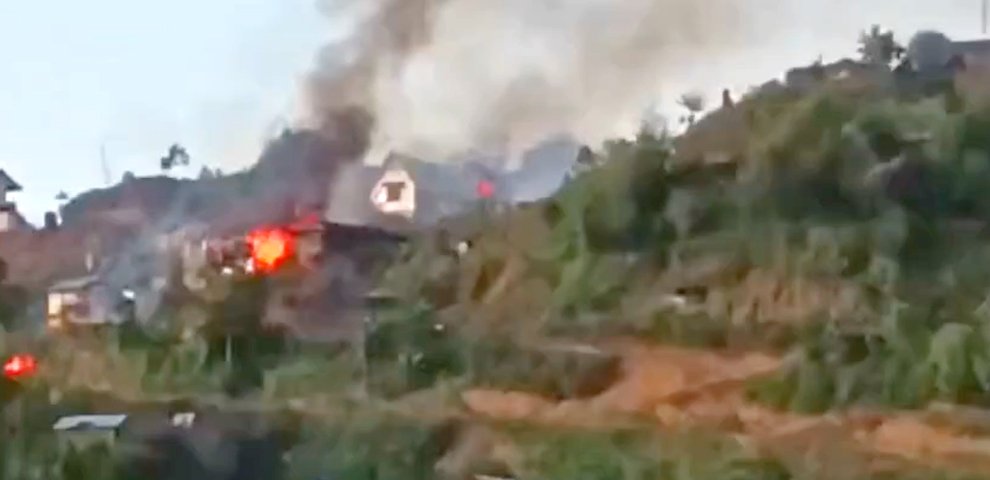
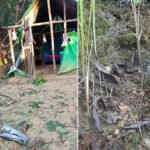
According to the Kiphire district administration, one person was killed and another injured in Longtsunger village on October 10, both belonging to the Tikhir community. The violence also left houses burnt or vandalised in Pungro town, Zaonger, Pokphur and Longtsunger.
The administration reported that eight houses were vandalised and six burnt in Pungro town, while 40 houses were burnt or vandalised in Zaonger village. The extent of damage and displacement in Longtsunger and Pokphur could not be ascertained at the time of its report.
The violence occurred amid heightened tensions during the Tikhir community’s Tsonglak-Nyi festival celebrations in villages around Zaonger and Longtsunger. The district administration said officials and police faced resistance when they attempted to enter the affected areas. Further incidents were reported in Pungro town and Pokphur village.
The administration said the situation remained tense but was under control following intervention by officials and police.
Efforts were also under way to move affected residents to safer locations and rehabilitate those affected by the violence.
In Shamator district, houses were burnt on October 11 amid the continuing tensions. The district administration had imposed preventive restrictions in Shamator town and Shamator village on October 10, citing concerns over public peace and order.
The order, issued by Deputy Commissioner Arikumba under Section 163 of the Bharatiya Nagarik Suraksha Sanhita (BNSS), 2023, restricts unlawful assemblies and gatherings likely to disturb public peace. It also provides for restrictions on rallies, demonstrations and processions that could affect public order, as well as activities that could endanger lives and property.
In Kiphire, Additional Deputy Commissioner, Pungro, issued a prohibitory order under Section 163 of the BNSS on October 10, covering Pungro Subdivision, including Kiusam Circle but excluding Khongsa Block.
In a separate public advisory, Deputy Commissioner of Kiphire Temsuwati Longkumer urged residents to refrain from provocative statements, intimidation, threats, physical confrontation, incitement and the circulation of rumours or unverified information. Community leaders, village councils and Gaon Burahs were asked to discourage retaliation and work towards resolving differences through dialogue.
The administration urged residents to comply with the restrictions and cooperate with the police and other authorities, warning that violations would invite legal action.
The Eastern Nagaland Peoples’ Organisation (ENPO) condemned the reported violence and appealed to the Yimkhiung Tribal Council and Tikhir Tribal Council to take urgent steps to prevent further violence and restore normalcy.
The Tikhir Tribal Council (TTC), in a statement dated October 10, condemned the reported violence against the Tikhir community during the Tsonglak-Nyi festival celebrations at Zaonger and Longtsunger villages. The council alleged that members of the Yimkhiung community from the Pungro area were involved in acts of violence, vandalism, killing and burning of houses. It said disputes over land or other matters should be resolved through dialogue and established legal and administrative mechanisms rather than violence and destruction of property.
Referring to the Eastern Nagaland Peoples’ Organisation’s declaration of Eastern Nagaland as a peace zone, the TTC said the reported incidents ran counter to efforts to promote peaceful coexistence. It urged law-enforcement agencies and the administration to conduct a prompt, impartial and transparent investigation and take legal action against those found responsible. The council also appealed to the State Government to provide immediate relief and ex-gratia assistance to the bereaved family and injured persons, and compensation to families whose houses and property were damaged or destroyed, to facilitate their rehabilitation.
The United Sangtam Likhüm Pümji (USLP), in a peace advisory issued on October 10, called for restraint and cooperation with the district administration and law-enforcement agencies. It cautioned against activities that could disturb law and order.
The Kiphire District GBs’ Association also held an emergency meeting on October 10 following reports of escalating tensions in Zaonger, Pokphur and Longtsunger. It cautioned against activities that could disturb public peace in Kiphire headquarters.
The United Sangtam Students’ Conference (USSC), in a statement issued on October 11, expressed concern over the incidents and appealed to both communities to exercise restraint, pursue dialogue and uphold peaceful coexistence. It also conveyed condolences to the bereaved family and wished the injured a speedy recovery.
The Yimkhiung Tribal Council separately directed people under its jurisdiction to maintain peace and refrain from violence, including the destruction of or damage to houses, warning that violations would invite punitive action.
The district administrations and community organizations have urged all concerned to avoid retaliation, cooperate with the authorities and work towards restoring peace. The full extent of damage and displacement in some affected areas remained undetermined at the time of reporting.
The Nagaland Tribal Hohos Coordination Committee (NTHCC) also appealed to the Yimkhiung and Tikhir communities to exercise restraint and resolve their differences through dialogue. Expressing concern over the violence, it urged community leaders, tribal bodies, village authorities and civil society organisations to prevent further escalation.
The NTHCC called on the State Government to intervene without delay, ensure the safety and security of residents in the affected areas and take necessary measures to restore normalcy. It also urged the government to effectively implement existing modalities and establish clear mechanisms, in consultation with the concerned tribal bodies and village authorities, to address disputes and prevent misunderstandings in villages inhabited by both communities. The committee stressed that timely intervention, mutual consultation and a clear process for resolving differences were essential to prevent similar incidents.