

Farmers seek greenhouse support, stronger market access and policy intervention
Longkhum village produced an estimated 301 metric tonnes of tomatoes last year and supplies markets across Nagaland, but farmers say they remain at the mercy of outside buyers who largely determine prices, raising questions about market access and policy support for one of Mokokchung district’s most successful farming communities.
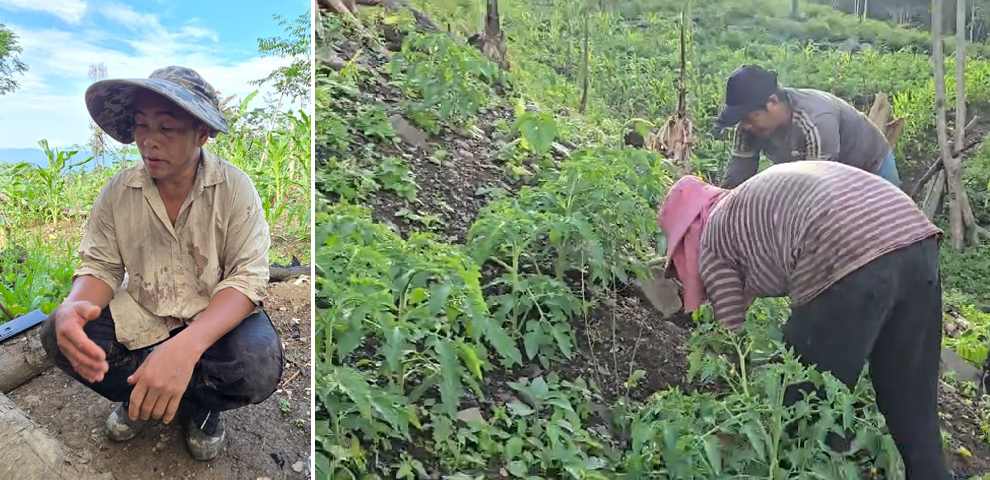
Farmers interviewed by Mokokchung Times said tomato cultivation has transformed the village economy over the past two decades, with nearly 200 families now engaged in commercial production. However, despite growing output and access to markets in Mokokchung, Kohima, Dimapur, Wokha, Tuensang and Zunheboto, cultivators say fluctuating prices and weak bargaining power continue to affect earnings.
“The money is decided by the non-local buyers who have wholesale shops,” said Jongpong, a farmer who, along with his wife Ayangla, cultivates three acres of tomatoes. “If we do not sell to them, we do not have buyers.”
According to the farmers, tomato prices last season dropped from around Rs 20 per kilogram to as low as Rs 10 during periods of oversupply. Some produce could not be sold at all.
“We are not satisfied with the pricing,” the farmer said. “When there is oversupply, the price becomes very low. When there is flood in Assam, our pricing is good. In a way, Assam is the deciding factor.”
The farmers said Longkhum’s tomato economy began taking shape in the early 2000s after local efforts to promote commercial cultivation. Today, tomato farming has become a major source of livelihood in the village.
Ayangla and Jongpong said they earned around Rs 1.5 lakh from tomato cultivation last year. They harvested about 2,400 kilograms and expect production to rise to nearly 4,000 kilograms this season. However, labour, transportation and logistics account for a substantial share of expenses.
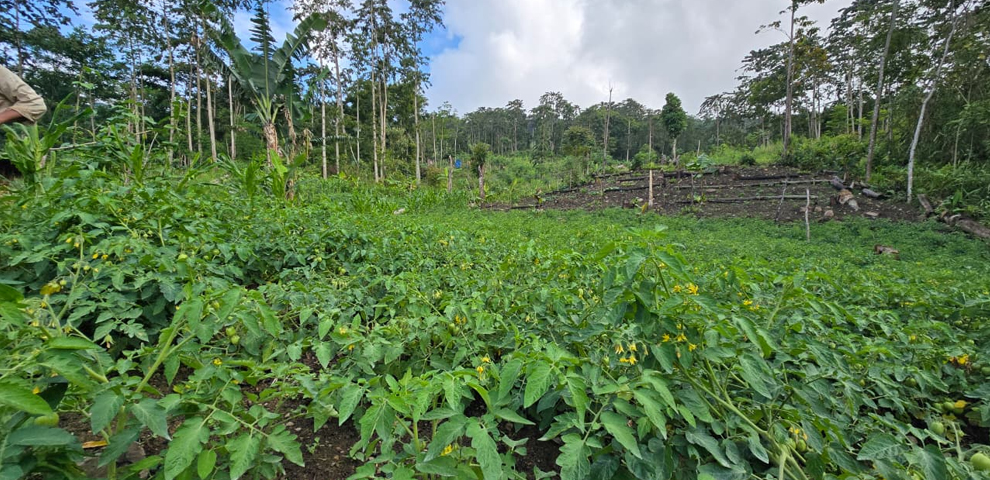
“Yes, our livelihood is dependent on farming,” they said, adding that many families supplement tomato cultivation with beans, cabbage, chilli and other crops after the tomato season ends.
Despite the production success, farmers say a major challenge is that Longkhum can supply markets for only a limited period each year.
“The MMC once tried to stop tomato imports during Longkhum season from Assam, but it did not work out. We can only supply for about two months and cannot supply throughout the year,” the farmer said.
Tomato cultivation begins around March, with sales peaking between June and August. Beyond that period, dew and changing weather conditions often damage the plants, making year-round production difficult.
Rongsenmayang, chairman of the Longkhum Integrated Multipurpose Cooperative Society, which has 113 members, said the village’s inability to extend production beyond August weakens farmers’ position in the market.
“The society was formed because we lacked a market,” he said.
Rongsenmayang said the village produced 301 metric tonnes of tomatoes last year but farmers continue to struggle with marketing and price negotiations.
“Price negotiation is crucial. Farmers should be able to negotiate. Now, we don’t have negotiating power because if we do not sell to outside buyers, we do not have buyers. So we are compelled to sell to them,” he said.
He said government support should focus not only on production but also on marketing and infrastructure.
Among the suggestions raised by farmers and cooperative leaders were greenhouse cultivation to extend the growing season, easier access to agricultural credit, and stronger involvement of municipal authorities in market regulation and price monitoring.
Rongsenmayang said greenhouse facilities could allow selected farmers to produce tomatoes beyond the traditional season and potentially supply markets for a longer period.
Farmers also expressed concern over difficulties in accessing loans under the Kisan Credit Card scheme, saying guarantor requirements often discourage applicants.
At the same time, they noted a growing interest among young people in agriculture.
“These days, education does not guarantee livelihoods, so almost every household has youths getting involved,” a farmer said.
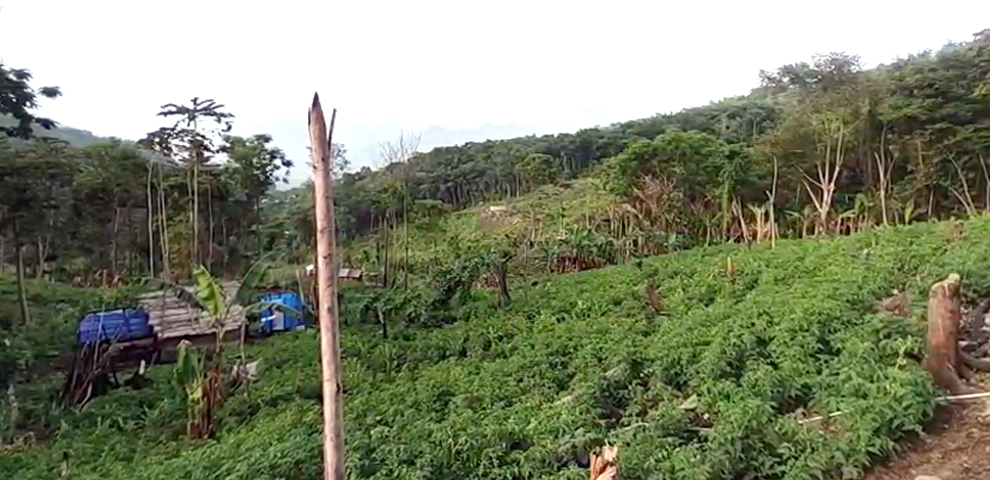
For Longkhum’s farmers, the challenge is no longer whether tomatoes can be grown. The question, they say, is whether farmers can secure fair prices and stronger market support from a crop that has become central to the village economy.