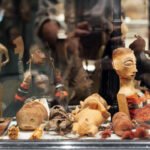

A Naga delegation led by tribal hoho leaders left for Oxford, United Kingdom, on November 6 to formalise the return of 39 colonial-era Naga ancestral human remains, as the six-year-long repatriation process enters its final stages.
The Forum for Naga Reconciliation (FNR), which has been facilitating the process, said the University of Oxford Council had officially decided to return the remains to the Naga people.
In a press statement, the FNR said the delegation would work with the Pitt Rivers Museum, University of Oxford, to complete the formalities for the return.
The forum said the process had been “decisively led by the Naga Tribe Hohos”, adding that a public homecoming would be organised after all official and formal procedures had been completed to ensure the “timely, safe and dignified return” of the ancestors.
An update on the homecoming programme would be made in due time, it said.
READ | NNC-FGN seeks halt to Oxford handover of 39 Naga ancestral remains
Describing the development as a moment of “profound historical, cultural and human significance” for the Naga people, the FNR said the delegation’s journey went beyond the repatriation of human remains and was about welcoming the ancestors home “with dignity, gratitude, respect and love”.
“For generations, these ancestral remains have been kept far away from their homeland, separated from their people, culture and ancestral lands,” the statement said, adding that their return represented an important step towards restoring their dignity and addressing a painful chapter in Naga history.
The FNR said the homecoming would also provide an occasion for “historical reflection, healing and reconciliation”, allowing the present generation to reconnect with their ancestors, acknowledge past injustices and reaffirm their responsibility to preserve Naga history, identity and cultural heritage.
“This is not simply bringing back human remains. We are welcoming our ancestors’ home,” the statement said.
It added that those who had been taken away and whose stories had remained largely untold would finally return to “the land of their birth and to the embrace of their people”.
The forum described the development as “a homecoming across generations – a moment for remembrance, healing and a new beginning”.