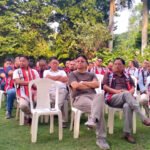

The spirit of the traditional Naga Feast of Merit need not be confined to the customs of the past. As society changes, so too can the ways in which its underlying values are practised. What matters is not the form of the feast, but the principle that those who are more fortunate should use their resources for the benefit of the community.
In earlier times, a person’s generosity was demonstrated by sharing wealth through communal feasting. Today, the same spirit could find expression in initiatives that create lasting benefits for society. Instead of spending large sums on a lavish feast, an individual or family could support an undertaking that serves the community for years to come.
Education and research offer one such avenue. Scholarships for deserving students, support for independent research into local issues, and the systematic documentation of Naga cultural and natural heritage could create a legacy far beyond a single celebration. Oral histories, traditional knowledge, customary practices, indigenous languages, biodiversity and local ecosystems are valuable resources that risk being lost if they are not properly recorded and preserved. Supporting such work would benefit not only the present generation but also those yet to come.
The Feast of Merit rested on the idea that personal prosperity could be translated into collective well-being. That principle remains relevant today.
Traditions survive not by remaining unchanged, but by retaining their essential values through changing circumstances. The modern expression of the Feast of Merit could therefore be measured not by the size of a feast, but turning individual prosperity into a lasting inheritance for all. What matters is whether a person’s prosperity leaves the community better off.