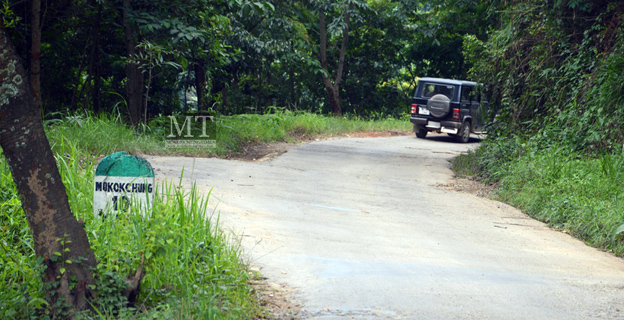

Migration from remote districts to urban centres is a natural and growing trend. For many in places like Mokokchung, the appeal of cities such as Kohima and Dimapur lies in better access to education, healthcare, employment and infrastructure. These are not luxuries but essential components of a stable and secure life. When such opportunities are limited or absent in smaller districts, migration becomes less of a choice and more of a necessity.
However, this steady movement of people has wider implications. It contributes to growing economic disparity between districts and places increasing pressure on urban centres, while rural and semi urban areas struggle to sustain themselves. Over time, such imbalance can lead to social strain and weaken the community fabric that has long defined Naga society. Villages and smaller towns risk losing not just population, but also leadership, skills and initiative.
While the responsibility for balanced development rests largely with the government, the role of the people is equally important. A critical question arises. Why do those who have the means to contribute choose to leave? Retired government officials, experienced professionals, faith leaders and young entrepreneurs often relocate permanently. Their departure leaves behind a gap that is difficult to fill, slowing the pace of local development.
At first glance, this may appear to reflect a lack of commitment to one’s own land and community, which could possibly be true. Some are not only migrating but also disposing of their ancestral homes. Yet, such a conclusion may be too simplistic. There are likely deeper structural reasons that drive this pattern. Limited economic prospects, inadequate infrastructure, lack of institutional support and uncertainty about the future all play a part in shaping individual decisions. It could also be that outdated and redundant customary practices discourage them from staying, especially when they can easily migrate to places that offer greater freedom and opportunity.
This is an issue that calls for careful study and honest reflection. Understanding why people leave is essential to creating conditions that encourage them to stay. Without such efforts, the cycle of migration will continue, and with it, the gradual widening of divides within society.