
Statements by NSCNs and NNC reiterate the 1951 Plebiscite as a key historical reference point
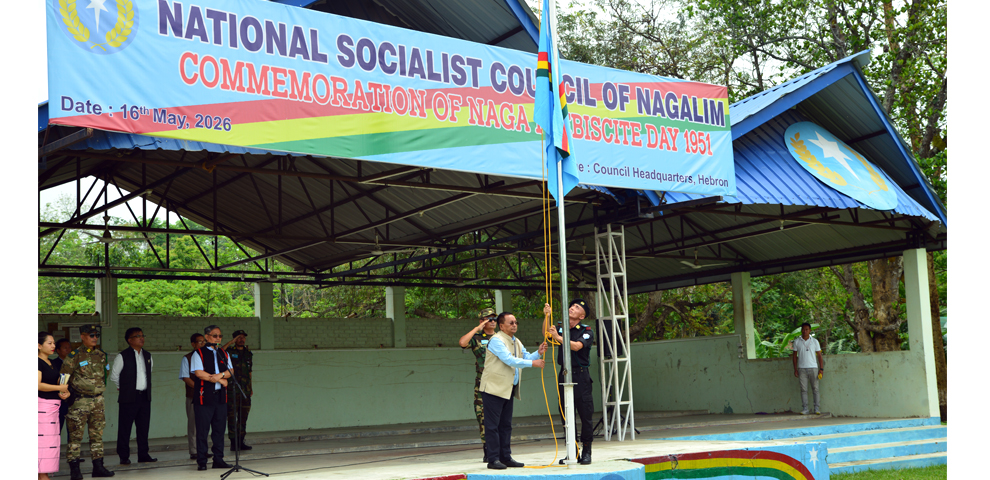
Seventy-five years after the 1951 Naga Plebiscite, major Naga political organisations once again marked the day on Saturday, May 16, by reaffirming its importance in the Naga political narrative, using the occasion to restate their positions on history, identity, and the unresolved political issue.
The day, observed annually as Plebiscite Day, continues to be described by Naga groups as a defining moment in their political history, referring to a vote conducted under the Naga National Council (NNC) on May 16, 1951, under the leadership of AZ Phizo.
NSCN-IM Chairman Q Tuccu described the 1951 event as a “momentous and sacred day,” saying it saw a “resounding 99.9% of the Naga population affix their thumbprints, unequivocally affirming their desire to remain an independent and sovereign nation, separate from the Indian Union.”
He said the plebiscite remains “one of the finest and most defining milestones” of the Naga political movement and linked it to earlier historical developments such as the 1929 memorandum to the Simon Commission and the 1947 declaration of Naga independence.
Tuccu also said that “Nagalim [was] never part of India or Myanmar by conquest or consent” and alleged that the rights of the Naga people continue to be “tested” even after decades.
Tuccu used the occasion to make strong accusations against Indian security forces, claiming they are “masquerading as neutral peacekeepers” and “colluding with Kuki Narco-terrorist,” particularly in relation to recent violence in Naga-inhabited areas. The group also reiterated that political solutions should not come at the cost of sovereignty, warning against “rich economic packages at the expense of sovereignty.”
While NSCN-IM’s statement carried strong contemporary political and security overtones, the NNC, led by Adinno Phizo, placed the strongest emphasis on history, stating that the plebiscite marked the day when “our grand-fathers and fathers firmly asserted the independent status of Nagaland through a voluntary plebiscite.”
The speech traced Naga political identity to pre-colonial village systems, stating that “the Naga ancestors were free people” and that they practised self-rule. It also stated that during British rule, “no Naga village state had any written treaty whatsoever with any foreign power.”
It further said the NNC declared Naga independence on “August 14, 1947, one full day ahead of India’s independence,” and described the 1951 plebiscite as producing an “outstanding 99.9% mandate for sovereignty.”
The statement maintained that attempts to describe the Naga issue as a “movement” or “self-determination” were misleading, and said the August 1947 declaration and 1951 plebiscite remain the “pillars of our sovereignty right.”
NSCN-K (Niki), in its statement, described May 16 as a “red letter day for all Nagas” and said the 1951 plebiscite was a “peaceful and democratic expression of the collective political will of the Nagas.”
The group said the mandate for “independence and sovereignty of our distinct nation is sacrosanct” and called on the present generation to “translate words into actions,” stressing unity, participation, and continued commitment to the long political struggle.
Why the 1951 Plebiscite still matters
Despite differences in tone and emphasis, all three organisations continue to rely heavily on the 1951 Plebiscite as a key reference point in their political narratives.
While NSCN-IM linked it to present-day political developments and negotiations, NSCN-K (Niki) focused on unity and mobilisation, and the NNC placed emphasis on historical legitimacy and continuity.
Seventy-five years on, the plebiscite remains a central symbol through which different Naga groups define identity, legitimacy, and their political stance on the unresolved Naga issue.