
The closing programme of the photography exhibition ‘Time Travel to Nagaland, 1979’ was held at the Directorate of Art & Culture, Bayavü Hill, Kohima, on September 19, featuring photographs by Japanese ethnographic photographer, travel writer and ethnologist Yuzo Morita.
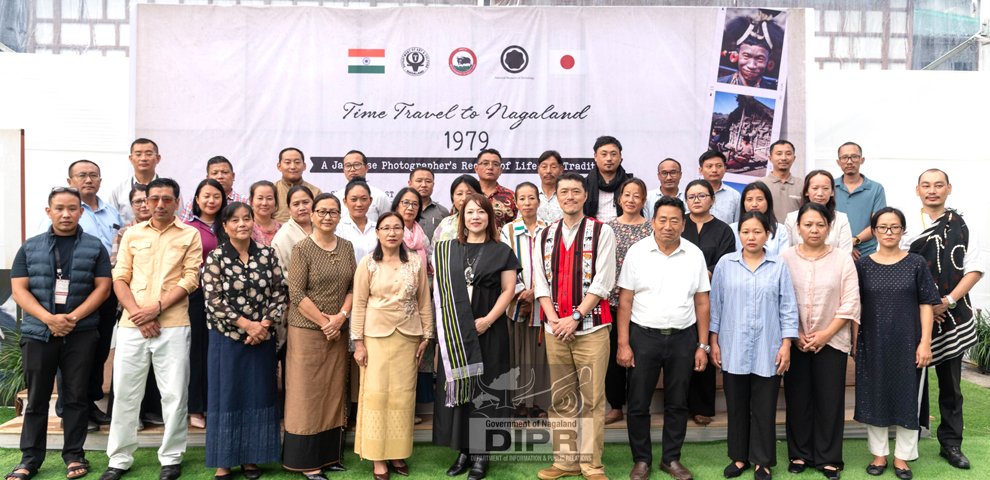
The exhibition offered a glimpse of Nagaland nearly five decades ago, documenting its people, traditions and everyday life.
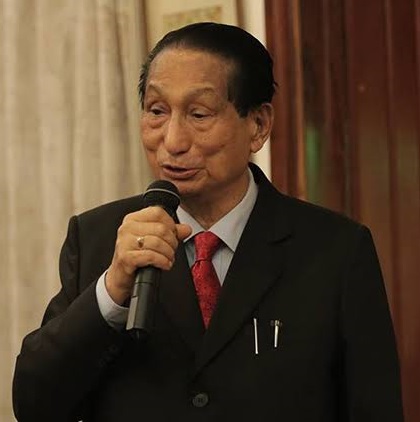
Addressing the programme, Project Director and Ethnomusicologist Emi Okada said many visitors had recognised familiar faces in the photographs and recalled what life was like at the time. She said she was particularly pleased to see young visitors, who were able to discover aspects of Nagaland’s traditional culture and everyday life through the photographs.
Speaking on the transmission of culture, Okada said documentation alone could not preserve the knowledge and social meanings embedded in living traditions. Referring to singing traditions, she said such knowledge was passed from person to person through the experience of “singing together.”
She also conveyed Morita’s hope that the exhibition would encourage people to look back at the past, reflect on changes over the years and consider a future in which the people of Nagaland could live in peace and happiness.
Okada said the exhibition was part of a joint project between the Nagaland State Museum and Japan’s National Museum of Ethnology, initiated about a year and a half ago. The project has documented Naga collections held by the museum and developed a database.
The next phase, she said, would be a major exhibition on the Naga peoples at the National Museum of Ethnology in Japan in about two years.
Project Member and Archaeologist Hitoshi Endo expressed gratitude to those involved, while Director, Art & Culture, Adela Moa delivered the vote of thanks.
In view of the public response, the exhibition has been extended till September 25.