

Landmark ruling holds Myanmar responsible for 2017 atrocities against Rohingya, orders safe return of refugees and compensation for victims.
The International Court of Justice (ICJ) on Thursday ruled that Myanmar committed genocide against its Rohingya minority during the military crackdown in northern Rakhine State in August 2017, marking the first time in its 80-year history that the UN’s highest court has held a state responsible for genocide.
In its landmark judgment, the 15-judge panel found that Myanmar’s security forces carried out widespread killings, sexual violence and other atrocities against the predominantly Muslim Rohingya population, with the intention of destroying a substantial part of the group.
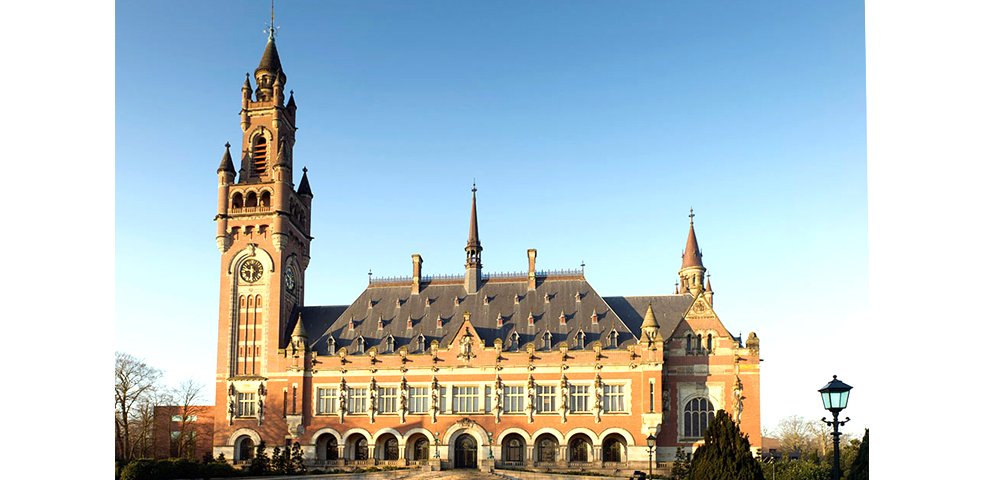
Delivering the verdict, ICJ President Yuji Iwasawa said the evidence established that Myanmar had violated its obligations under the 1948 Convention on the Prevention and Punishment of the Crime of Genocide.
The court estimated that around 10,000 Rohingya civilians were killed during the military’s clearance operations, while thousands of others were subjected to rape, sexual violence and extreme brutality. Children were also targeted, and villages were systematically destroyed.
“On the basis of all the evidence taken together, the Court is of the view that the only reasonable inference that can explain Myanmar’s actions is an intention to destroy a substantial part of the Rohingya population in northern Rakhine State,” the judgment stated.
The 2017 crackdown forced more than 730,000 Rohingya to flee to neighbouring Bangladesh, joining an existing refugee population. More than 1.2 million Rohingya now live in refugee camps in Bangladesh, particularly in Cox’s Bazar.
Orders safe return and accountability
The court directed Myanmar to facilitate the safe, voluntary and dignified return of Rohingya refugees to their places of residence. It also ordered the country to investigate and punish those responsible for genocide, with compensation to be determined at a later stage.
The case was brought by The Gambia in November 2019, with the backing of the 57-member Organisation of Islamic Cooperation. It accused Myanmar of violating the Genocide Convention through its military operations against the Rohingya.
Myanmar had denied the genocide allegations, maintaining that its military operations were legitimate security measures against insurgents following attacks on security personnel.
Although ICJ judgments are legally binding and cannot be appealed, the court has no independent enforcement mechanism. If Myanmar fails to comply, The Gambia can approach the UN Security Council, which may consider measures to enforce the ruling. However, any action would remain subject to the Council’s political dynamics and veto powers.
Implications for other genocide cases
The verdict is also expected to influence international legal proceedings, particularly South Africa’s ongoing genocide case against Israel over its military operations in Gaza. Legal experts are likely to examine the court’s interpretation of genocidal intent and the evidence required to establish state responsibility.
A second case related to the 2022 Russian invasion of Ukraine is also pending before the court. In it, Kyiv has challenged allegations of genocide against the Russian-speaking population in the eastern Donbas region that Moscow invoked to justify the so-called military operation.
Human rights organisations welcomed the ruling, calling it an important step towards accountability and justice for Rohingya survivors and urging governments to press Myanmar’s military leadership to comply with the judgment. (With inputs from agencies)