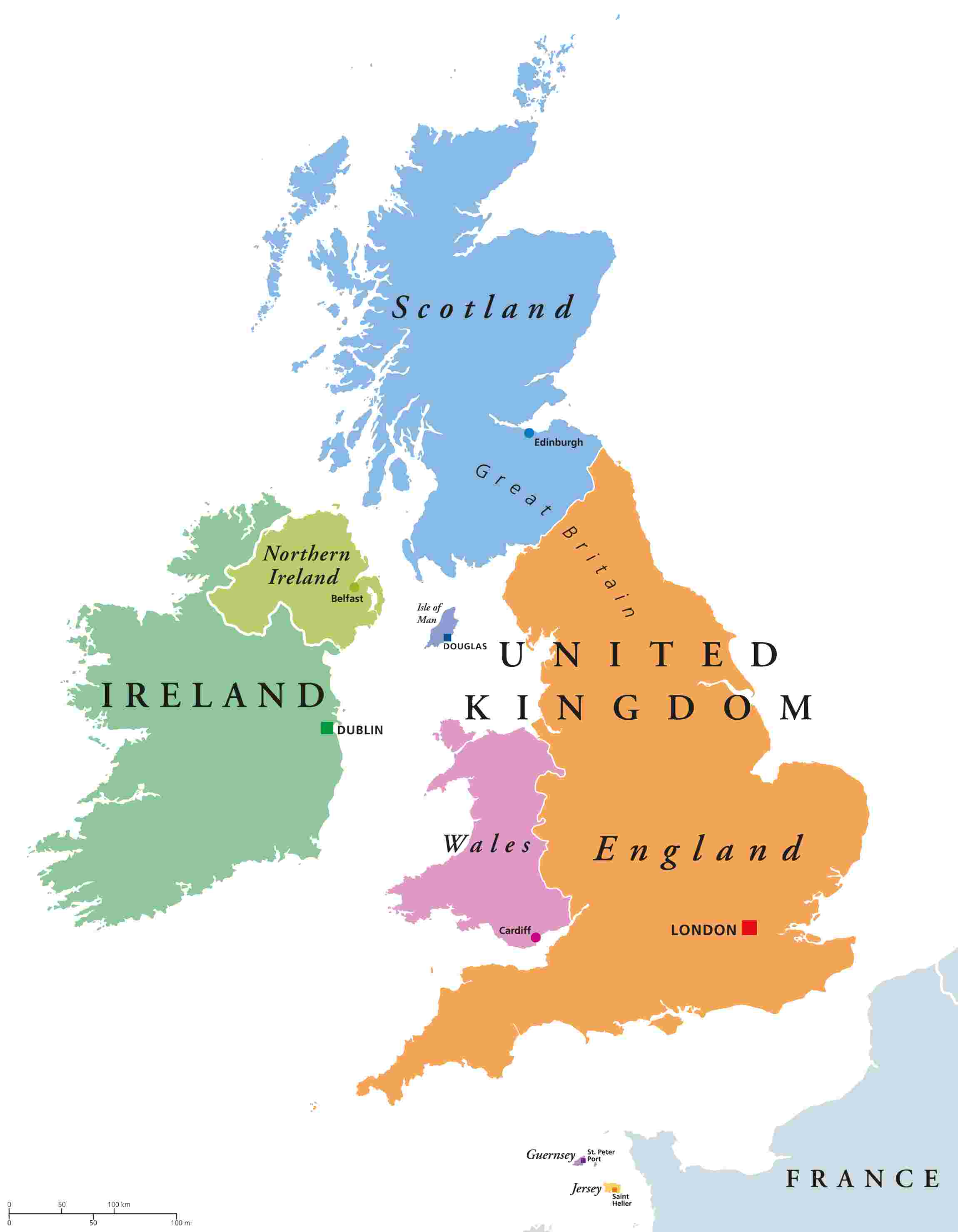

Fresh push for independence puts UK unity under pressure
Leaders of the main nationalist parties in Scotland, Wales and Northern Ireland have declared their right to self-determination in a joint agreement signed at a landmark summit in Cardiff, signalling renewed pressure for constitutional change across the UK.
Scottish National Party (SNP) leader John Swinney, Plaid Cymru leader Rhun ap Iorwerth and Sinn Féin vice-president Michelle O’Neill met in Cardiff on Monday, alongside Sinn Féin president and Ireland’s opposition leader Mary Lou McDonald. They attended as party leaders rather than representatives of their respective governments.
The meeting came after Plaid Cymru’s strong performance in May’s Senedd (Welsh parliament) elections, leaving pro-independence or Irish-unity parties leading administrations in Scotland, Wales and Northern Ireland for the first time.
A memorandum of understanding signed at the summit said the political landscape across the UK and Ireland was changing and called on the British government to “prepare for, plan and facilitate constitutional change” in each jurisdiction.
Different ambitions, common cause
Although the three parties share a desire for greater autonomy and eventual independence or reunification, their constitutional positions and timelines differ considerably.
The SNP is seeking a second Scottish independence referendum within five years. Sinn Féin’s McDonald said she expected a referendum on Irish reunification by 2030. Plaid Cymru, meanwhile, has ruled out holding an independence referendum during its first term but is seeking greater devolved powers for Wales, comparable with those enjoyed by Scotland and Northern Ireland.
The leaders also discussed economic, energy and international cooperation. Swinney described the gathering as an important moment in the history of devolution, while the Cardiff Agreement signed by Swinney and ap Iorwerth committed Wales and Scotland to cooperation on issues including child poverty, cost-of-living pressures and international engagement.
Laura McAllister, professor of public policy at Cardiff University, said the summit had “powerful optics” and demonstrated the nationalist parties’ willingness to work together, The Guardian reported. However, she noted that their objectives and timelines remained fundamentally different and that England would also need representation in any serious discussion on reforming the UK’s constitutional arrangements.
Pressure on Burnham
The summit follows renewed debate over Scottish independence and Irish reunification. UK Prime Minister Andy Burnham recently reiterated that another Scottish independence referendum was “off limits” after appearing to suggest during Prime Minister’s Questions that such a vote could be considered.
Burnham has placed greater devolution of powers and resources at the centre of his government’s agenda, while also saying he is open to giving Wales greater powers.
US President Donald Trump has added another dimension to the debate. During a visit to Ireland, Trump said he would “love to see a united Ireland”, prompting a rebuttal from the UK government and unionist politicians in Northern Ireland.
Recent polling cited in the report showed support for independence at 47% in Scotland, 36% in Northern Ireland and 32% in Wales.
Burnham is expected to meet the three first ministers next month.
The UK government said its approach to the devolved administrations was based on partnership and collaboration, adding that it was focused on household finances and economic security rather than constitutional debates or further referendums.
What is the legal status of the three regions?
The UK constitutionally comprises four constituent countries: England, Wales, Scotland and Northern Ireland. However, they operate under three separate legal systems. England and Wales share one legal system, while Scotland has its own system based on Scots law. Northern Ireland also has a distinct legal system, drawing on English common law and its own legislation.
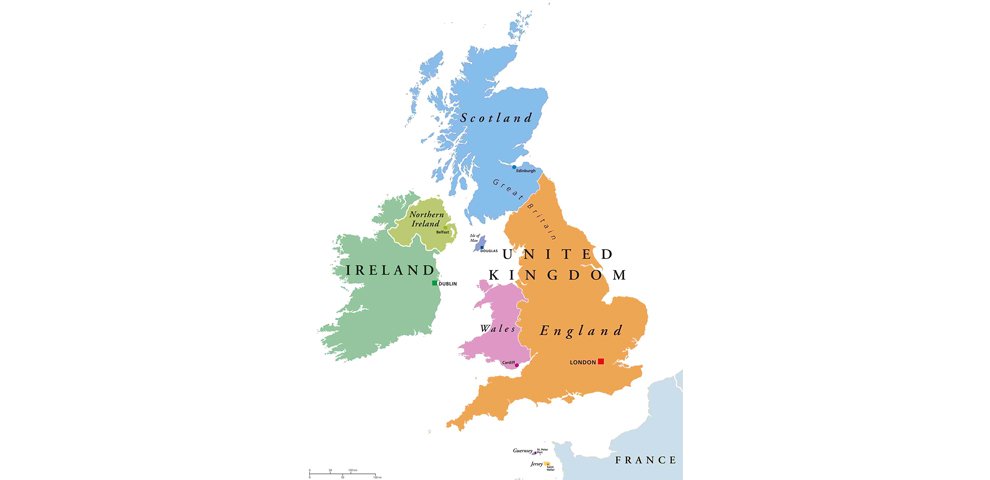
The UK operates through devolution rather than a federal system. Wales, Scotland and Northern Ireland have elected legislatures and governments with powers over areas such as health, education and other domestic matters. Defence and foreign affairs, among other key responsibilities, remain with the UK government in Westminster.
None of the three has a unilateral legal right to leave the UK.
Scotland held an independence referendum in 2014 after the UK government authorised it. Voters rejected independence by 55% to 45%. Wales has no existing legal mechanism allowing the Senedd to independently call an independence referendum.
Northern Ireland is governed by different arrangements under the 1998 Good Friday Agreement. The British government is required to hold a referendum on Irish unity if the Northern Ireland secretary believes it is likely that a majority would vote for a united Ireland.
Thus, while the three regions have substantial devolved powers, constitutional change ultimately depends on arrangements involving Westminster, with Northern Ireland subject to specific provisions under the peace agreement. (With inputs from agencies)