
Improper waste disposal and failure to segregate garbage may attract penalties, including fines and imprisonment under provisions of the Environment (Protection) Act, 1986, which also governs enforcement under the Solid Waste Management Rules, 2026.
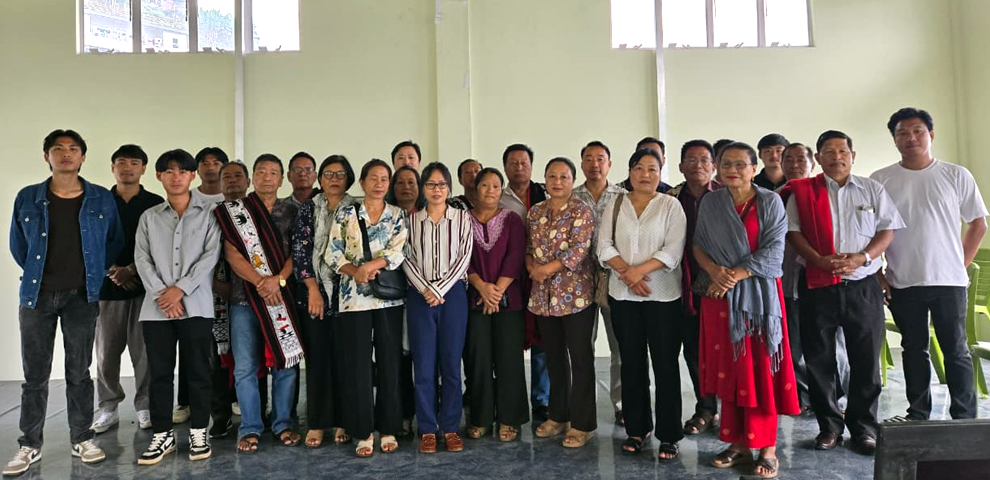
The matter was highlighted during a sensitisation program on SWM Rules 2026 held at Arok Salang, Kichutip Ward, where speakers said waste management is moving towards a stricter compliance framework supported by environmental law and court directives.
Resource person Dr Temjensangla Pongener of Earth Alliance, Mokokchung Unit, said the Government of India introduced the SWM Rules, 2026 under the Environment (Protection) Act, 1986 to strengthen earlier waste management systems and expand accountability to Urban Local Bodies, institutions, commercial establishments and citizens.
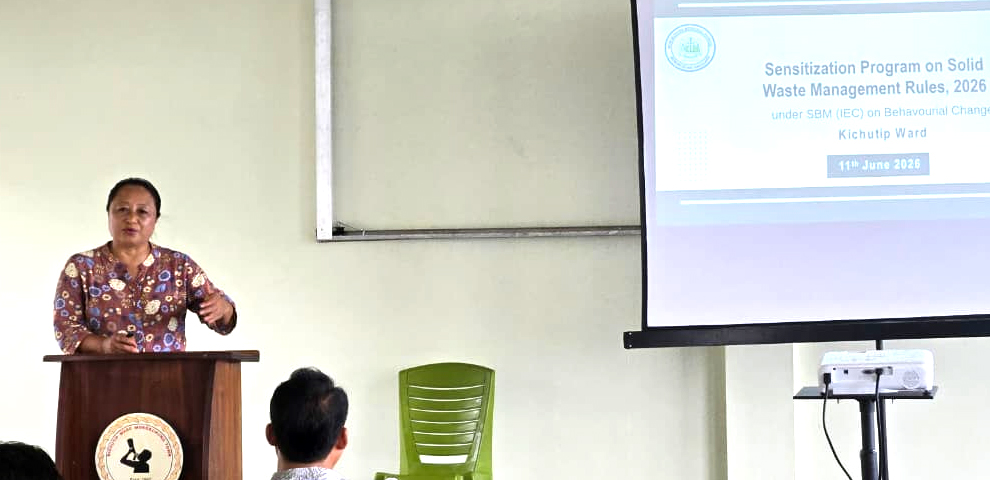
She said Supreme Court orders have reinforced the need for strict implementation of environmental regulations, noting that the right to a clean and healthy environment is part of the Right to Life under Article 21 of the Constitution.
Dr Pongener said enforcement under the Environment (Protection) Act, 1986 may, in serious cases, attract imprisonment of up to five years, fines of up to Rs 1 lakh, or both, along with additional penalties for continued violations.
She said the framework is based on the “polluter pays” principle, under which those responsible for waste generation may be required to bear the cost of environmental damage and ensure proper disposal.
She added that local elected representatives such as councillors and mayors will function as facilitators for citizen compliance, while repeated violations may be escalated for legal action under environmental law.
Implementation framework and timelines
Dr Pongener said implementation of the SWM Rules, 2026 will be carried out in phases, beginning April 1, 2026, when four-stream segregation – wet waste, dry waste, sanitary waste and special care waste, becomes mandatory at source.
She said Bulk Waste Generators, defined in the presentation as establishments with 20,000 sq. m built-up area, 40,000 litres per day water consumption or 100 kg waste generation per day, will be required to register on a centralised portal.
She said geo-mapping of legacy dumpsites is scheduled to be completed by October 31, 2026, while residential complexes and institutions above 5,000 sq. m are expected to adopt segregation and on-site composting or bio-methanation systems by January 2027.
Local administrations, she said, are expected to update waste management bye-laws by March 2027, while annual compliance reporting will be required by June 30 every year.
Waste composition in Mokokchung
Resource person Sungtiyala of Green Heap presented data on municipal waste generation in Mokokchung, stating that wet waste accounts for 48 per cent, dry waste 41.2 per cent, mixed waste 8.15 per cent, domestic waste 1.5 per cent and sanitary waste 1.2 per cent.
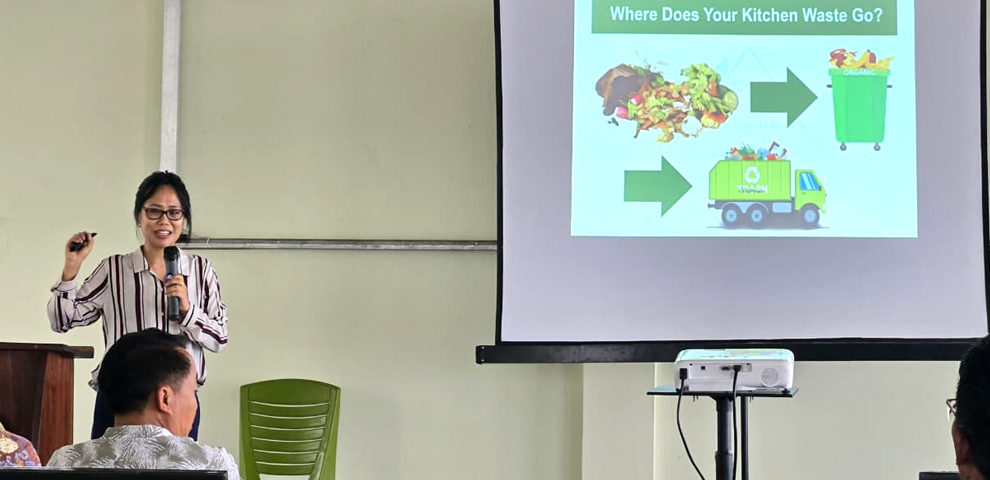
She said the data highlights the importance of household-level segregation and encouraged residents to adopt composting practices, including “lazy composting”, along with community-based waste management systems.
Material Recovery Facility operations
Sanitation Inspector and Nodal Officer of Swachh Bharat Mission 2.0, Kilepchiba, said efforts are underway to make Mokokchung a dumping-free town.
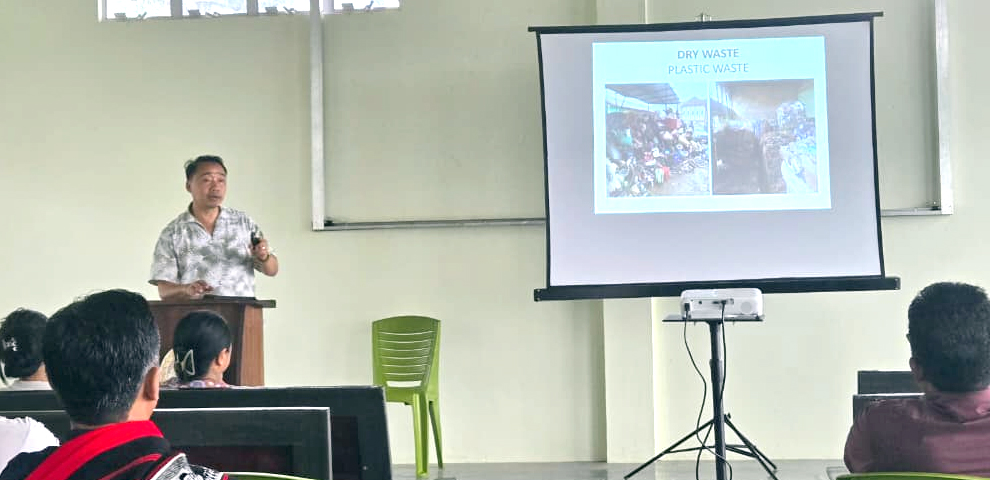
He said the Material Recovery Facility (MRF) at Imkongmeren Sports Complex, operational since 2021, processes segregated waste including plastics, paper, cartons, tyres, glass bottles, thermocol and electronic waste.
He said waste is separated into soft and hard plastics before being processed and sent for recycling to units in Guwahati, Assam. Multi-layered plastic is transported to cement factories through arrangements facilitated by the Nagaland State Government, using Nagaland State Transport via Dimapur Municipal Council channels.
He added that colonies delivering bulk plastic waste to the facility are provided an incentive of Rs 3,000 per truckload.