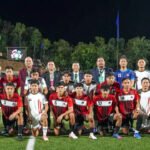

Sports events in Nagaland have increasingly become occasions for political spectacle, with elaborate ceremonies, lengthy speeches and prominent roles for VIPs often taking precedence over the athletes themselves. The question is not whether political leaders should attend sporting events. It is whether their presence has become more important than the sports these events are meant to celebrate.
An opening ceremony has a clear purpose: to formally declare the tournament open. It is not a political rally. The special guest can fulfil the role without holding the audience captive with a lengthy address. Closing ceremonies, too, need not be prolonged by speeches. A few meaningful words are sufficient. The athletes, not the dignitaries, should command the occasion.
The contrast with international sporting events is instructive. The opening ceremony of the 2026 FIFA World Cup in Mexico City was reported to have lasted around 20 minutes, although advance reports had projected a shorter programme. Major sporting occasions elsewhere demonstrate that ceremony need not overwhelm competition. In Nagaland, the prominence given to VIPs has turned major sporting events into platforms for political self-promotion, party visibility and publicity for the ruling government, often at the expense of the athletes and the sport itself.
There is nothing inherently wrong with acknowledging the contribution of public representatives. Government support is essential to sports development. But when athletes wait while dignitaries speak, when protocol dictates the programme and when political visibility eclipses sporting achievement, priorities have been misplaced.
The consequences extend beyond inconvenience. Sporting events should inspire young people, celebrate excellence and give athletes a platform to demonstrate their abilities. That purpose is lost when players become supporting figures in a spectacle centred on those in positions of power.
This could explain why Nagaland has yet to produce an Olympic medalist. Of course, the long and often always lame VIP speeches alone are not responsible, but no sporting culture can thrive when its priorities are so badly misplaced. Excellence demands investment, training, opportunity and respect for athletes, not an endless procession of dignitaries. The tragedy is that this VIP culture is treated as normal. We give prominence to the people who hold power and little thought to those who must earn recognition through discipline, hard work, sacrifice and performance.
If Nagaland wants sporting excellence, it must begin by treating sports as the main event. Let ‘special guests’ open the tournament, wish the players well and take their seats. The field belongs to the athletes. The spotlight should, too.