
A debate over the compulsory singing of “Vande Mataram” in the Nagaland Legislative Assembly highlighted concerns about religious freedom and constitutional rights.
On Tuesday, March 3, during the ongoing eighth session of the 14th Nagaland Legislative Assembly, MLA Ar. Jwenga participating in the discussion on ‘Motion of Thanks to the Governor’s Address’ said, “Patriotism must remain inclusive. Respect for the Tricolour and Jana Gana Mana shows true loyalty.”
Dr. Tseilhoutuo Rhutso, MLA, noted that only the first two stanzas of the song, composed by Bankim Chandra Chatterjee in the novel Anandamath, were adopted as the National Song in 1950. He also referred to a 1986 Supreme Court observation that singing “Vande Mataram” is not compulsory and that compelling it could infringe upon the freedom of religion under Article 25(1). In the context of Nagaland, he said Article 371A provides constitutional safeguards for religious and customary practices, and any directive must respect the state’s unique identity.
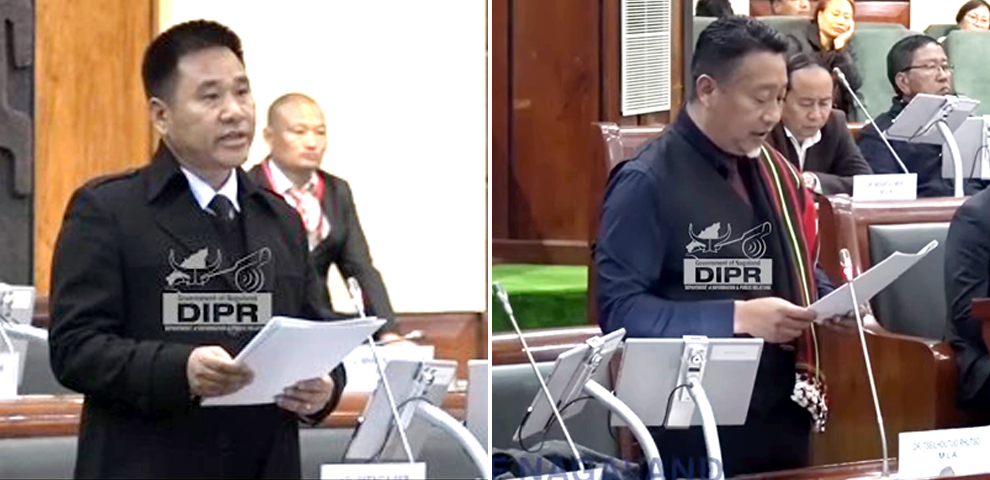
Dr Rhutso maintained that refusing to sing the song does not undermine the Constitution or the sovereignty and integrity of India, asserting that patriotism is demonstrated through loyalty, service, and respect for constitutional values. He urged the government to review the directive in consultation with the House to ensure that national unity remains inclusive and respectful of conscience.
ALSO READ | Nagaland Assembly endorses FNTA MoA, legislators call for responsible governance
Addressing the issue of playing Vande Mataram, the National Song, in the Assembly, the Chief Minister said the views expressed by legislators have been duly noted and respected. While acknowledging the historical significance of the song, he emphasised that the nation’s strength lies in its diversity, secular values and adherence to constitutional principles. He proposed that the matter be referred to a Select Committee of the House for detailed examination, including legal consultation, before arriving at a considered decision. (With DIPR inputs)