

Researchers from Nagaland University, in collaboration with the Zoological Survey of India (ZSI), have described a new species of subterranean stingless bee in Wokha district, marking a significant addition to India’s known bee diversity.
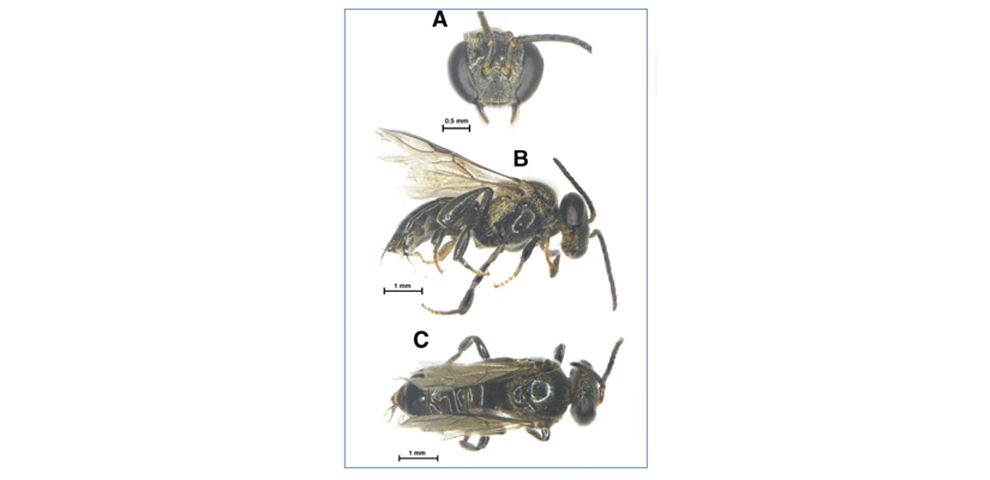
The new species, Tetragonula yikhumensis, was formally described in the international peer-reviewed journal Sociobiology, published on July 22. The species is named after Yikhum village in Wokha district, where it was first collected during field surveys.
According to the study, Tetragonula yikhumensis is the largest stingless bee species recorded in India. Its discovery increases the number of known stingless bee species in the country from 25 to 26, while the number of species under the genus Tetragonula rises from 17 to 18.
The research was led by Noyingbeni M. Odyuo of the Department of Zoology, Nagaland University, along with Sudipta Dey, Bendang Ao, Ranjit Kumar, and A Rameshkumar of the Zoological Survey of India.
Researchers conducted extensive field surveys across Wokha district between November 2022 and June 2025, collecting specimens from 12 locations. The team also excavated underground nests to document the species’ nesting behaviour and architecture.
ALSO READ | Evidence of prehistoric human habitation found in caves and rockshelters of Noklak district
The study notes that Tetragonula yikhumensis is the first subterranean stingless bee of the genus Tetragonula to be reported from Nagaland and only the second such species recorded in India. It is also the first stingless bee species from the state to be described in detail using both male and worker specimens, providing important taxonomic information for future research.
Stingless bees, though unable to sting, are regarded as important pollinators in tropical ecosystems. They are also valued for their medicinal honey and other hive products. The researchers noted that the Lotha community in Wokha refers to these underground bees as “litsuk,” meaning “ground bees,” and traditionally values their honey and bee pollen for their medicinal properties.
The discovery adds to the known diversity of stingless bees in India and highlights Nagaland’s rich biodiversity.