
Community rights, traditional knowledge and ecological limits must remain central to ecotourism initiatives to ensure that tourism development does not undermine local livelihoods and cultural heritage, speakers at an international seminar at Nagaland University said.
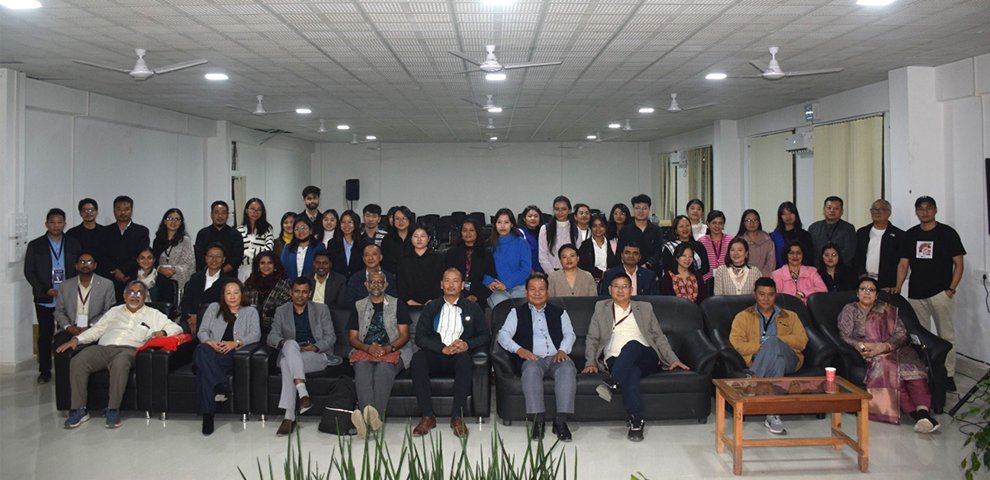
The two-day seminar on “Ecotourism, Livelihood and Development in Northeast India”, organised by the university’s Departments of Sociology and Geography from November 19 to 20, brought together scholars, researchers and practitioners to examine the social, economic, political, cultural and environmental dimensions of ecotourism.
Delivering the valedictory address, Prof. Lanusashi Longkumer, convener of the seminar, said land and community were inseparably connected, cautioning that changes to cultural heritage could erode collective memory. He highlighted discussions on ownership, commodification, community rights, state policy and livelihoods, and stressed the need to protect traditional knowledge.
“Traditional knowledge is a way of living; it needs to be protected as much as promoted,” he said.
Presenting the seminar report, organising secretary Dr Suraj Beri said nine technical sessions featured nearly 40 paper presentations, alongside a roundtable discussion. Key themes included community rights over land and resources, the relationship between care work and revenue, and the intersection of ecological and social limits.
ALSO READ | Tourism growth must protect local livelihoods and culture, says Nagaland University VC
He said the deliberations had provided a platform for collaboration among academics, practitioners and students on the challenges of ecotourism and sustainable livelihoods.
Chairing the valedictory session, Dr Yamsani Srikanth highlighted the importance of academic forums in connecting research with policy and placing ecotourism within the broader framework of sustainable development.
Dr Pitheli K. Jimo delivered the vote of thanks.